§ Articles & Reflections

Long-form writing,
evidence-linked.

Original essays on political economy, historical memory, governance reform, and the social contract. Published here first. Extracts distributed on LinkedIn, Facebook, and X.

60 articles on record · Since July 2025 · New pieces every Sunday
Most recent
A brass balance scale stands at the centre of a dark navy scene. On the left, four stone blocks rise in steps like a bar chart in front of a faint map of Africa. On the right, a curved concrete building with lit columns. Glowing gold and teal trend lines run across the whole scene.
DL
Published on the Digital Library
Political Essay

The Measure of Governance.

The 2026 Ibrahim Index of African Governance was published on 31 October. Dr Malusi Gigaba and Solomon Atah explain how it is built, what a number can and cannot say, and what a country should do with its number.

1 November 2026 · 17 min read
Read the article →
Previous articles
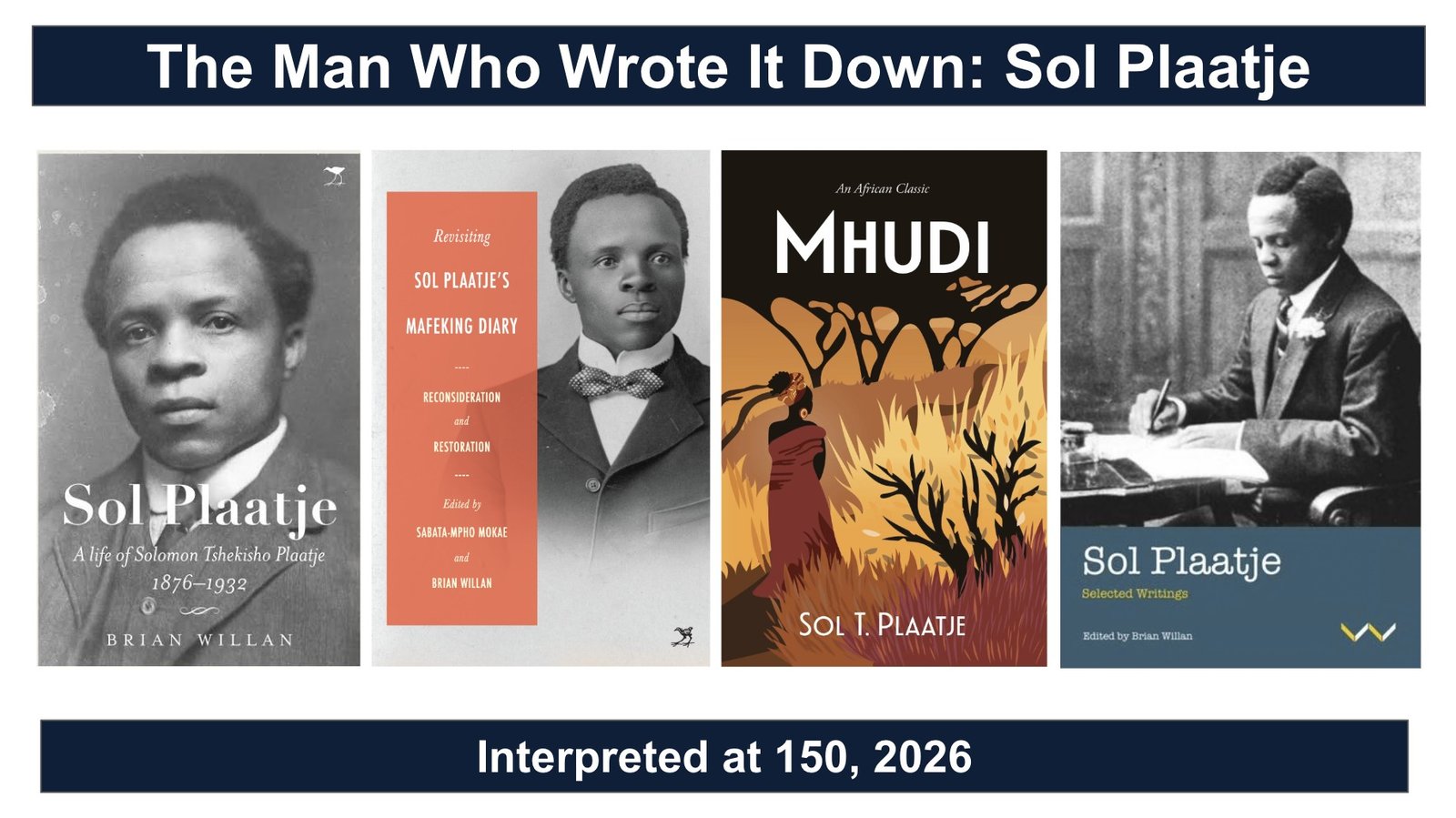
Four book covers under the title “The Man Who Wrote It Down: Sol Plaatje” and the line “Interpreted at 150, 2026”: Brian Willan’s biography, Revisiting Sol Plaatje’s Mafeking Diary, Mhudi, and Sol Plaatje: Selected Writings.
DL
Published on the Digital Library
Historical Reflection

The Man Who Wrote It Down.

On the 150th anniversary of Sol Plaatje’s birth, Dr Malusi Gigaba follows the interpreter who kept the pen, from the Mafikeng courtroom to a newspaper, a phonetic reader and a gramophone recording, and asks what the word “first” is worth.
25 October 2026
Read →
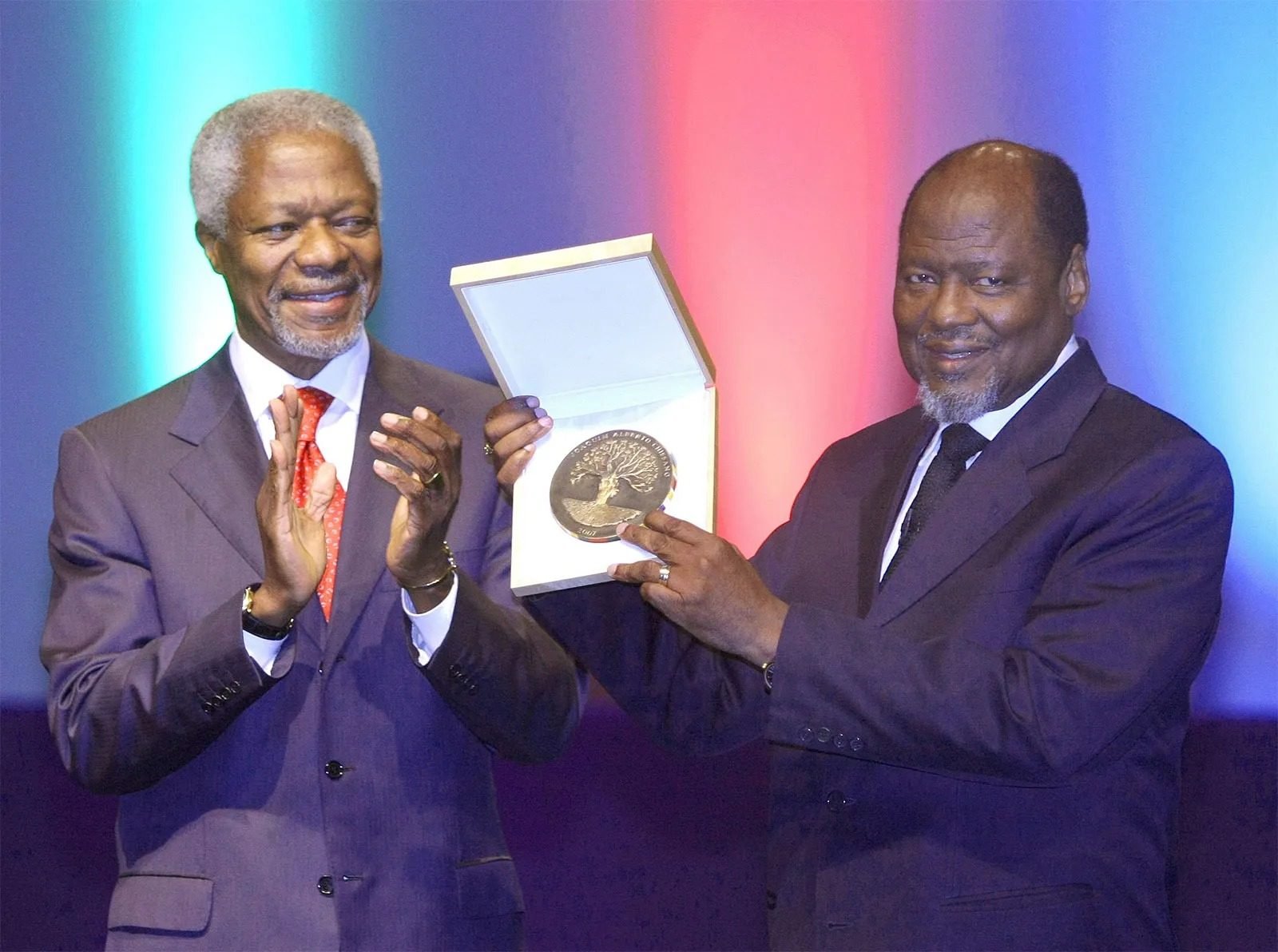
Kofi Annan applauds on the left as Joaquim Chissano, on the right, holds the Ibrahim Prize medal in its case, in Alexandria, Egypt, 26 November 2007.
DL
Published on the Digital Library
Continental Reflection

The Peace He Made.

Joaquim Chissano turned eighty-seven on 22 October. Dr Malusi Gigaba follows the peace he made in Mozambique, from Rome to the ballot box to the handover, and asks what a peace asks of those who inherit it.

22 October 2026
Read →
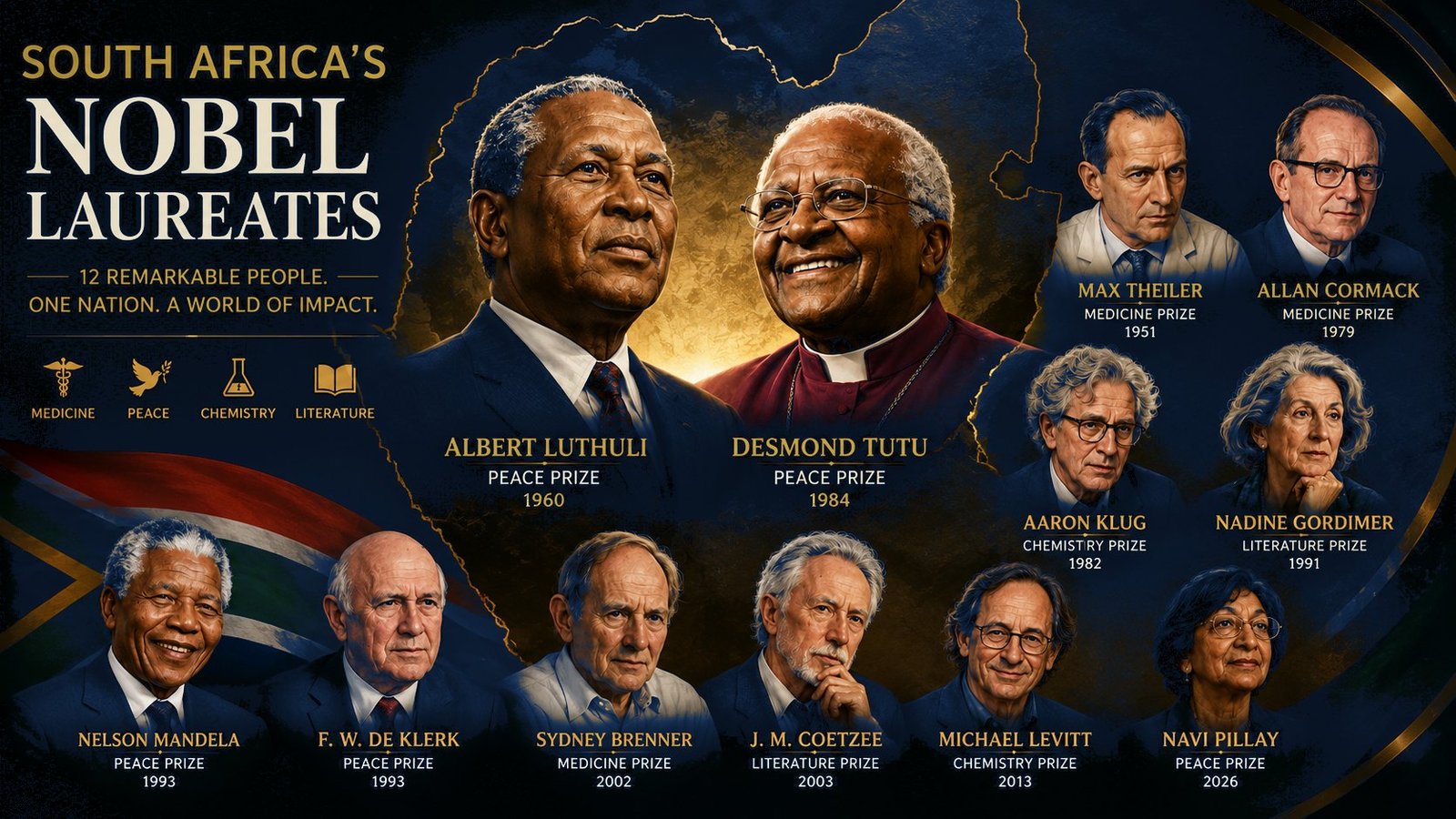
Portraits of South Africa’s Nobel laureates, with Albert Luthuli and Desmond Tutu at the centre, against a navy background, a gold outline of the map of South Africa and the national flag, under the title “South Africa’s Nobel Laureates”.
DL
Published on the Digital Library
Historical Reflection

A Prize for Discipline.

When the Nobel Committee named Navi Pillay this month, Dr Malusi Gigaba went back to its own words on Luthuli and Tutu to ask what it thought it was honouring: not a victory, but a discipline.

18 October 2026
Read →
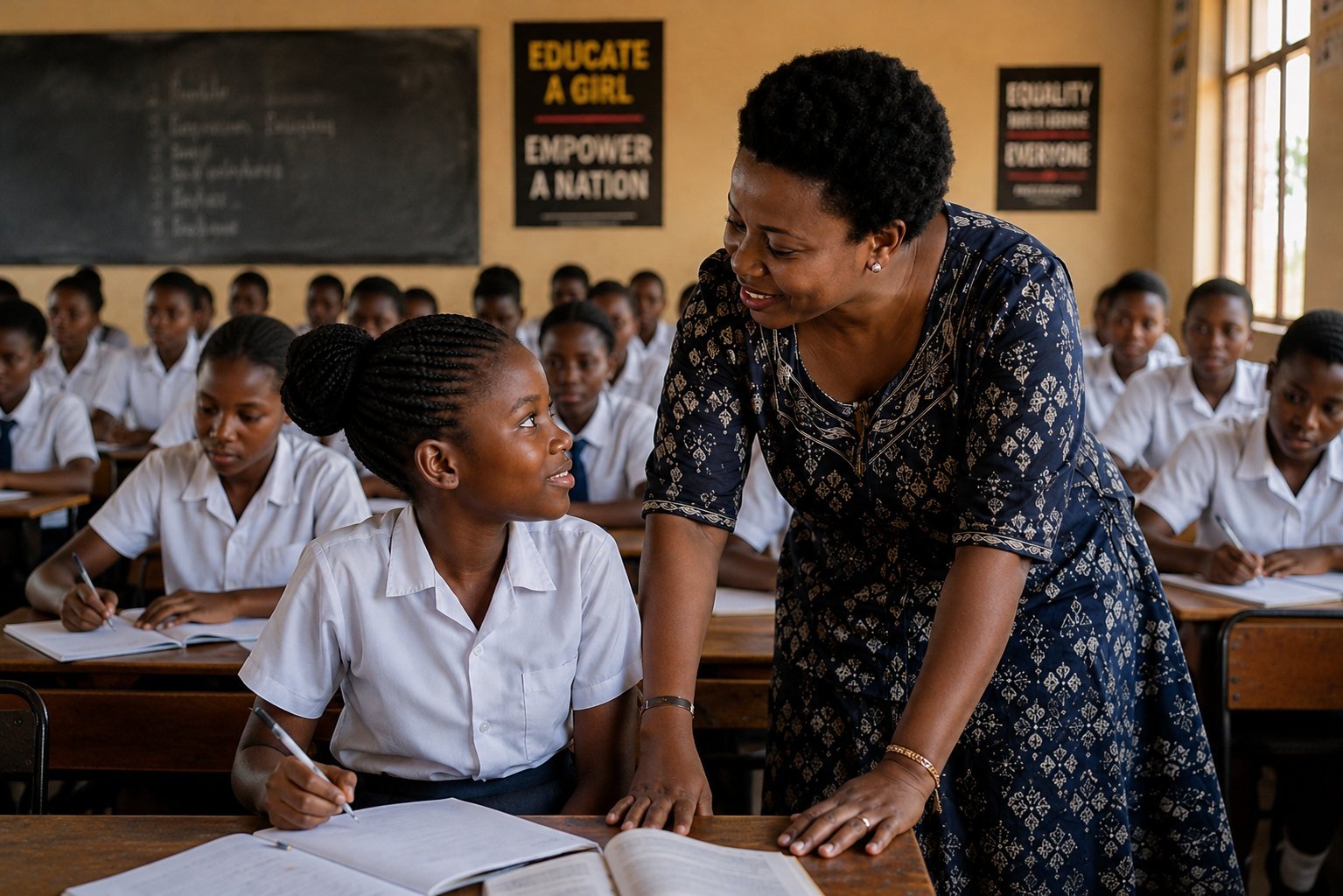
A teacher in a navy patterned dress leans over a school desk to speak with a smiling girl in a white uniform, with a classroom of learners behind them and a poster on the wall that reads “Educate a girl, empower a nation”.
DL
Published on the Digital Library
Historical Reflection

The Girl, the Teacher and the Work That Follows.

On the International Day of the Girl Child, Dr Malusi Gigaba reads what the world wrote down for girls and for teachers, sets it beside South Africa’s published figures, and asks who is standing in the room.

11 October 2026
Read →
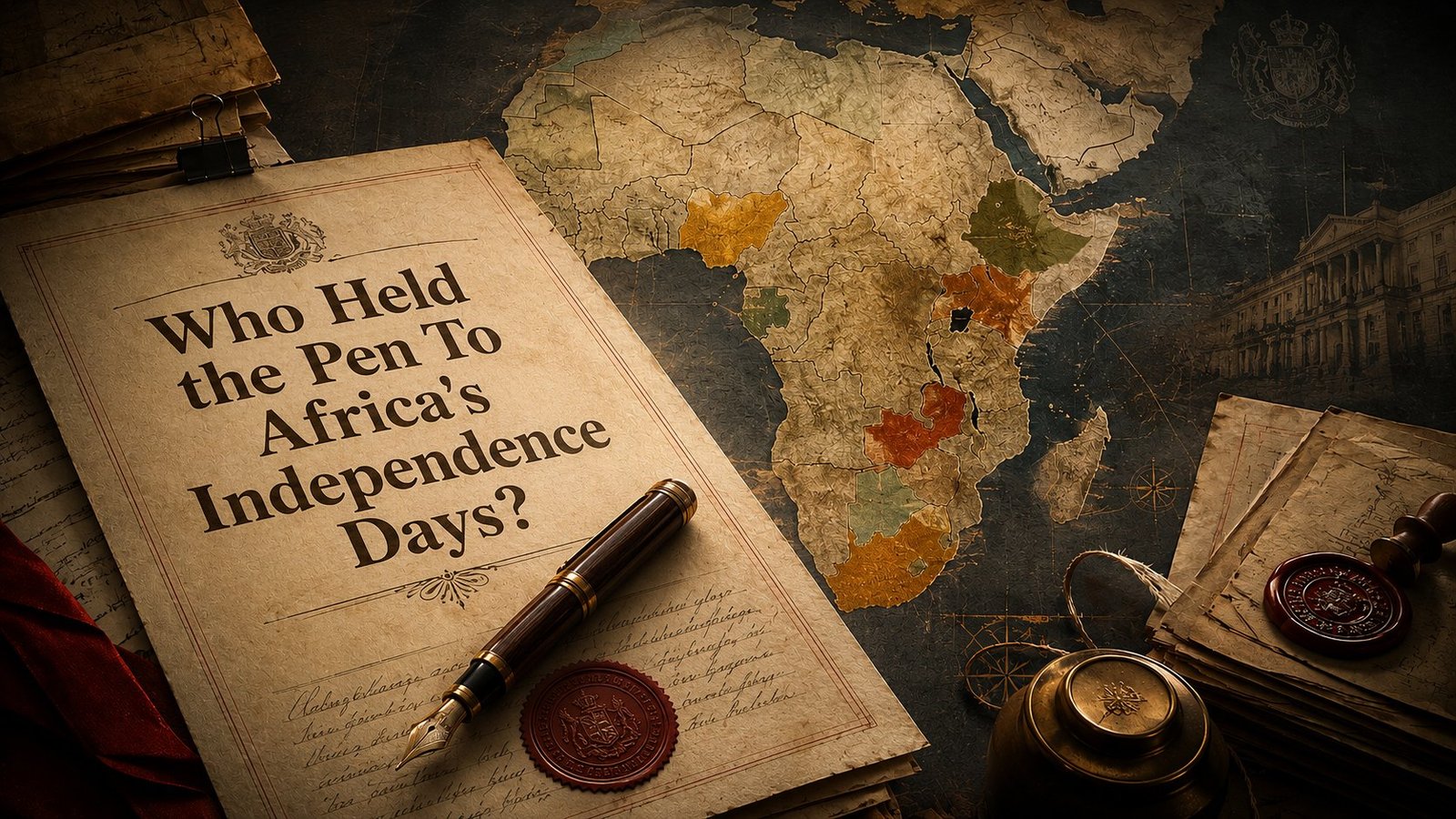
A parchment headed “Who Held the Pen To Africa’s Independence Days?”, with a fountain pen and a wax seal, beside a map of Africa.
DL
Published on the Digital Library
Continental Reflection

Who Held the Pen.

Lesotho’s independence turned sixty on 4 October. Dr Malusi Gigaba reads the founding documents of six African states to ask who held the pen when independence came, and what independence is for.

4 October 2026
Read →
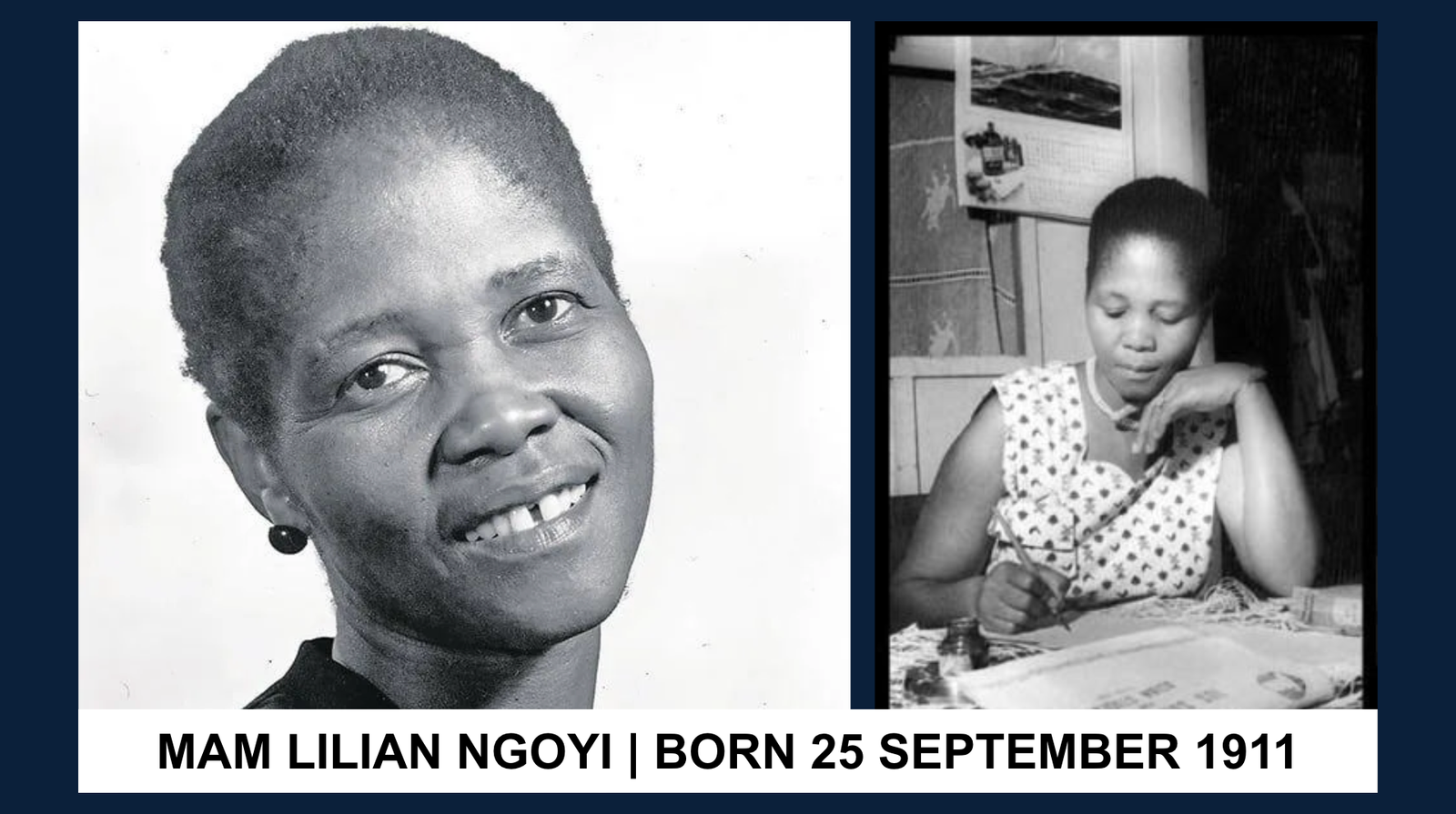
Lilian Ngoyi, 1911–1980 — Dr Malusi Gigaba
DL
Published on the Digital Library
Historical Reflection

In Her Own Right: Lilian Ngoyi and the Story We Have Not Yet Told.

On her 115th birthday, Dr Malusi Gigaba on the life of Lilian Ngoyi — seamstress, trade unionist, and the first woman on the ANC’s National Executive Committee — and why we named a street after her but never told her story.

27 September 2026
Read →
Browse all articles →