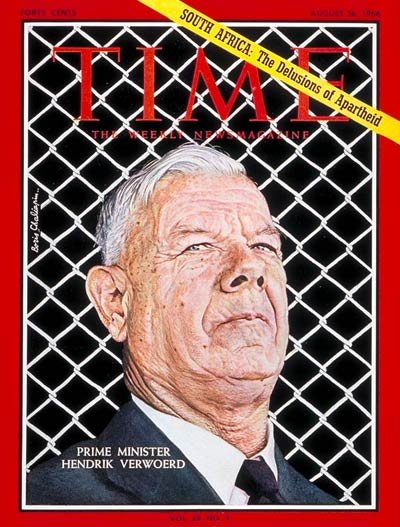
The Architect of Grand Apartheid.
Hendrik Verwoerd was born 125 years ago this month. Dr Malusi Gigaba on what he believed, what he wrote into law and into the classroom, and why so much of his design is still with us.
Original essays on political economy, historical memory, governance reform, and the social contract. Published here first. Extracts distributed on LinkedIn, Facebook, and X.
Hendrik Verwoerd was born 125 years ago this month. Dr Malusi Gigaba on what he believed, what he wrote into law and into the classroom, and why so much of his design is still with us.
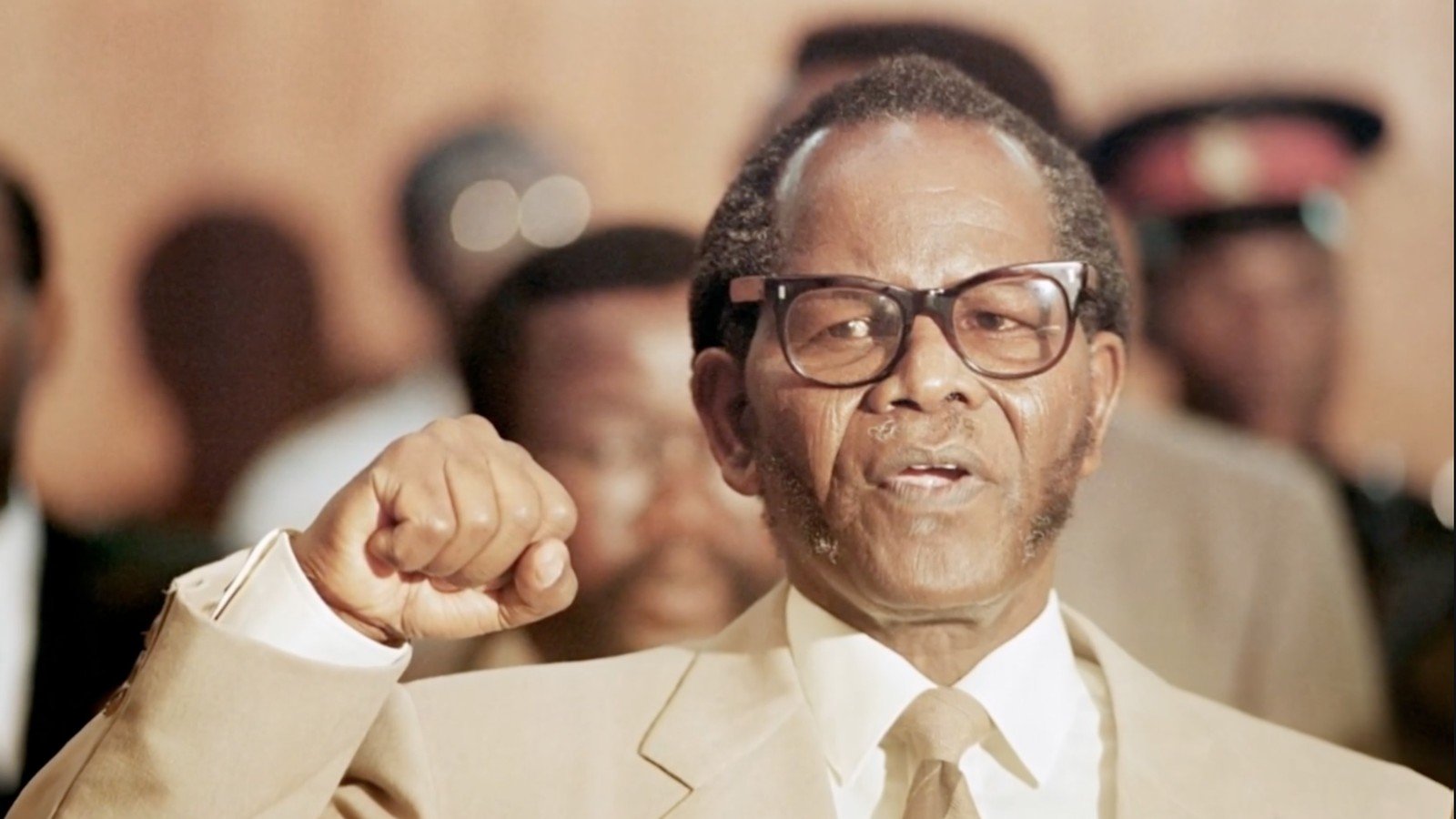
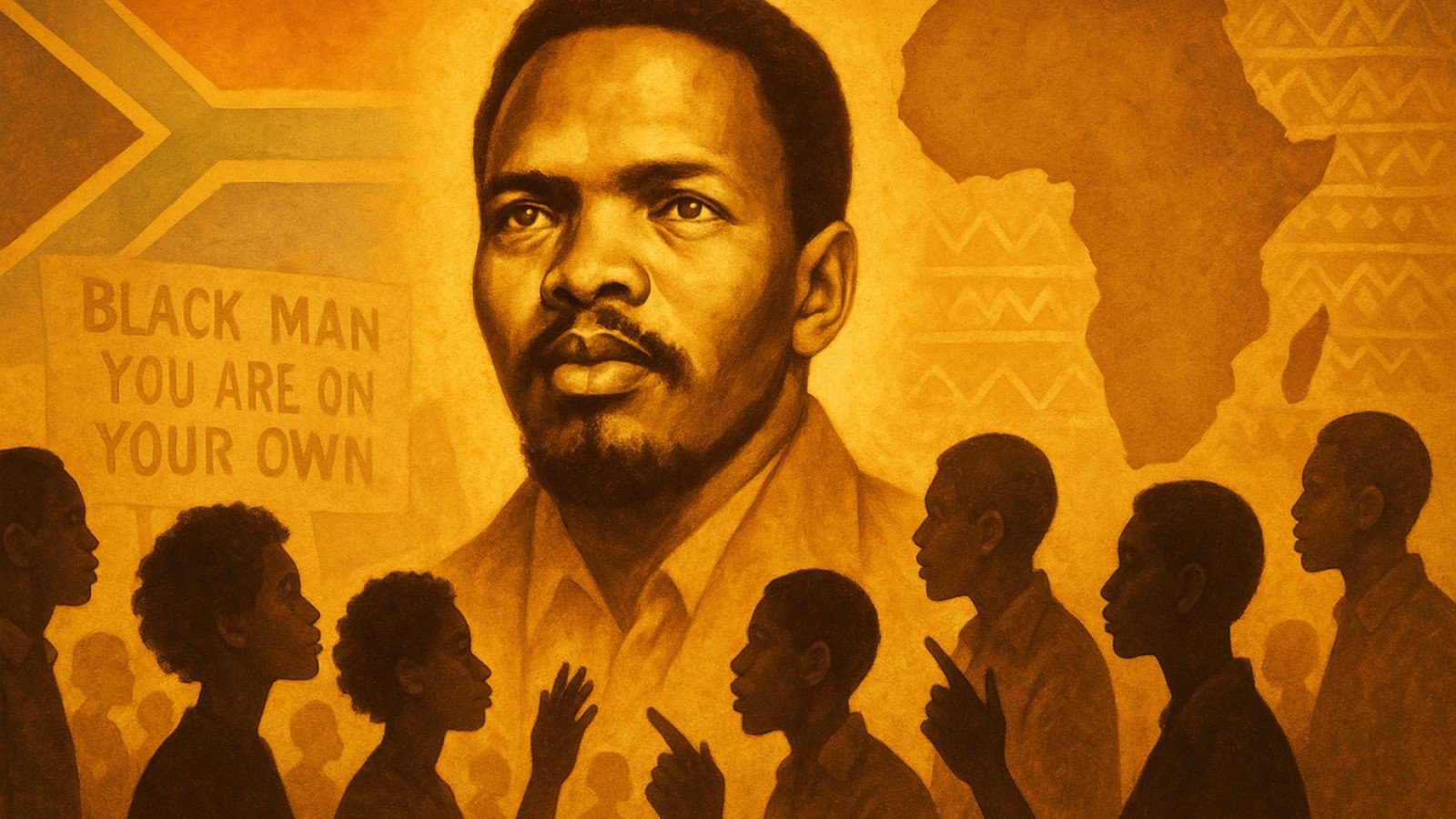
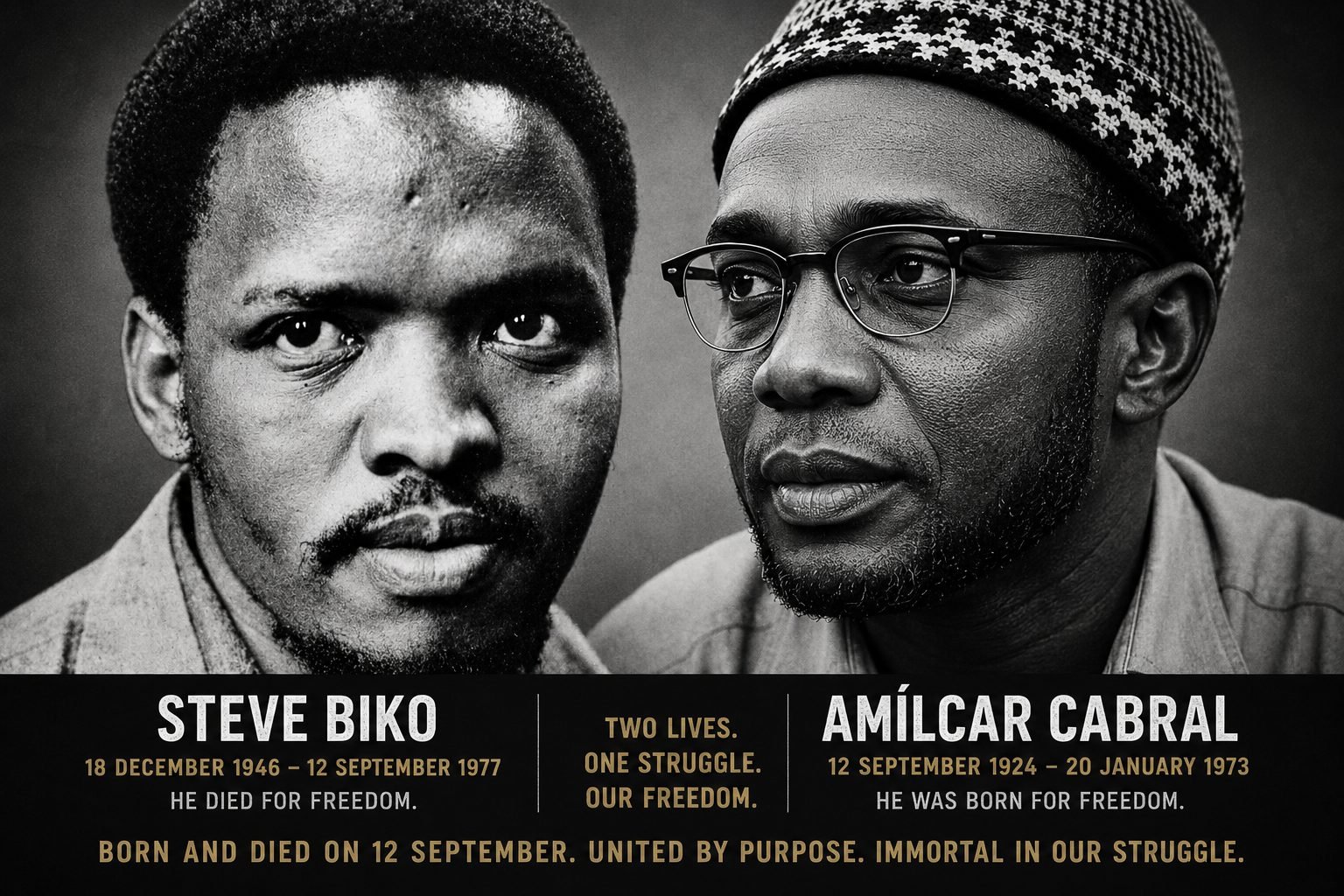
Steve Biko died, and Amílcar Cabral was born, on 12 September. Dr Malusi Gigaba on the clinics, funds and coalition they built, and why a service that worked was their strongest argument.
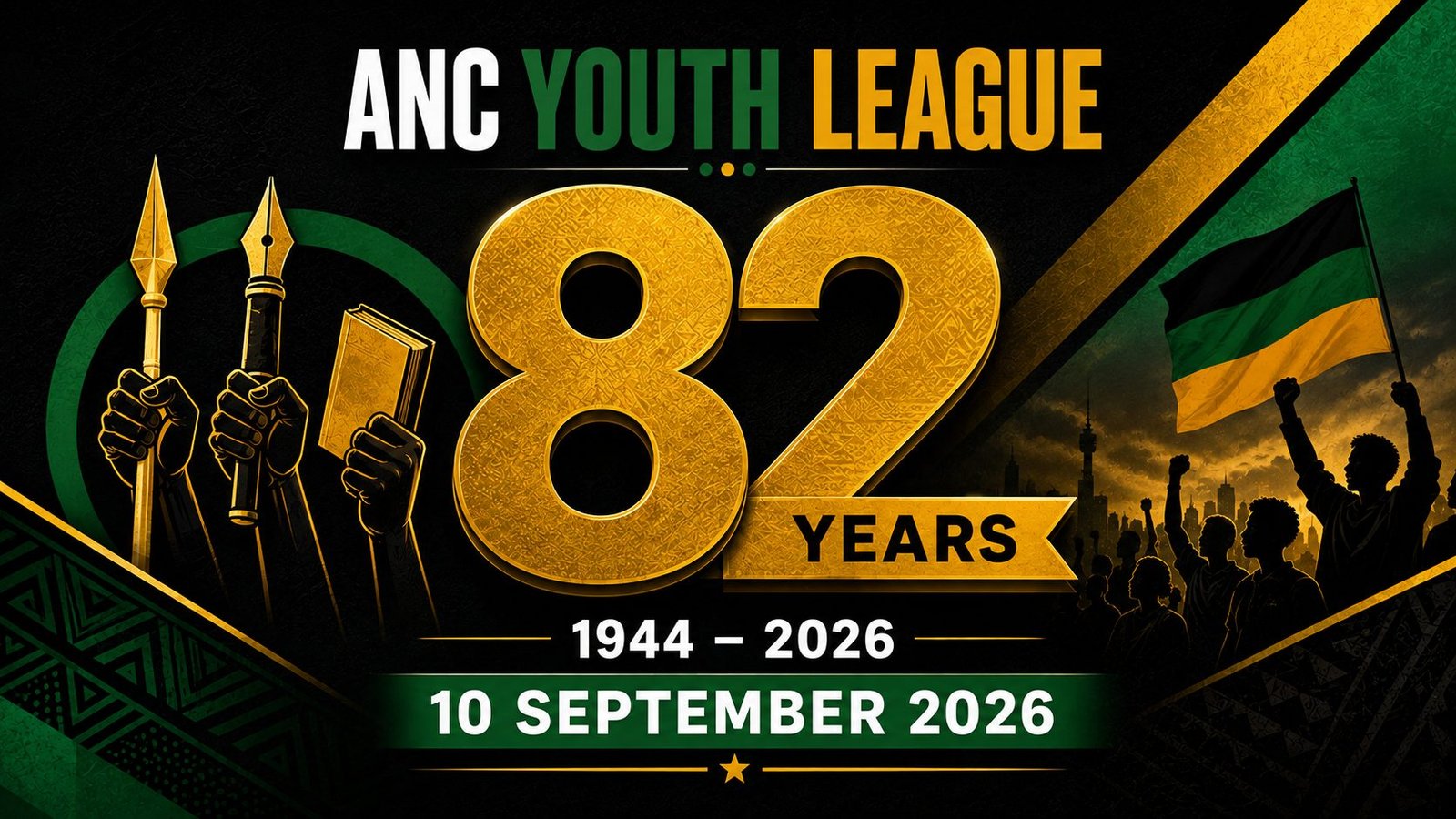
Eighty-two years ago today the ANC Youth League held its founding congress at the Bantu Men’s Social Centre. Dr Malusi Gigaba on what its founders did that is almost never remarked upon — they wrote a constitution that bound them, gave conference the sole power to elect and remove them, and settled in advance that the League answered to Congress — and on what those rules ask of the League now.
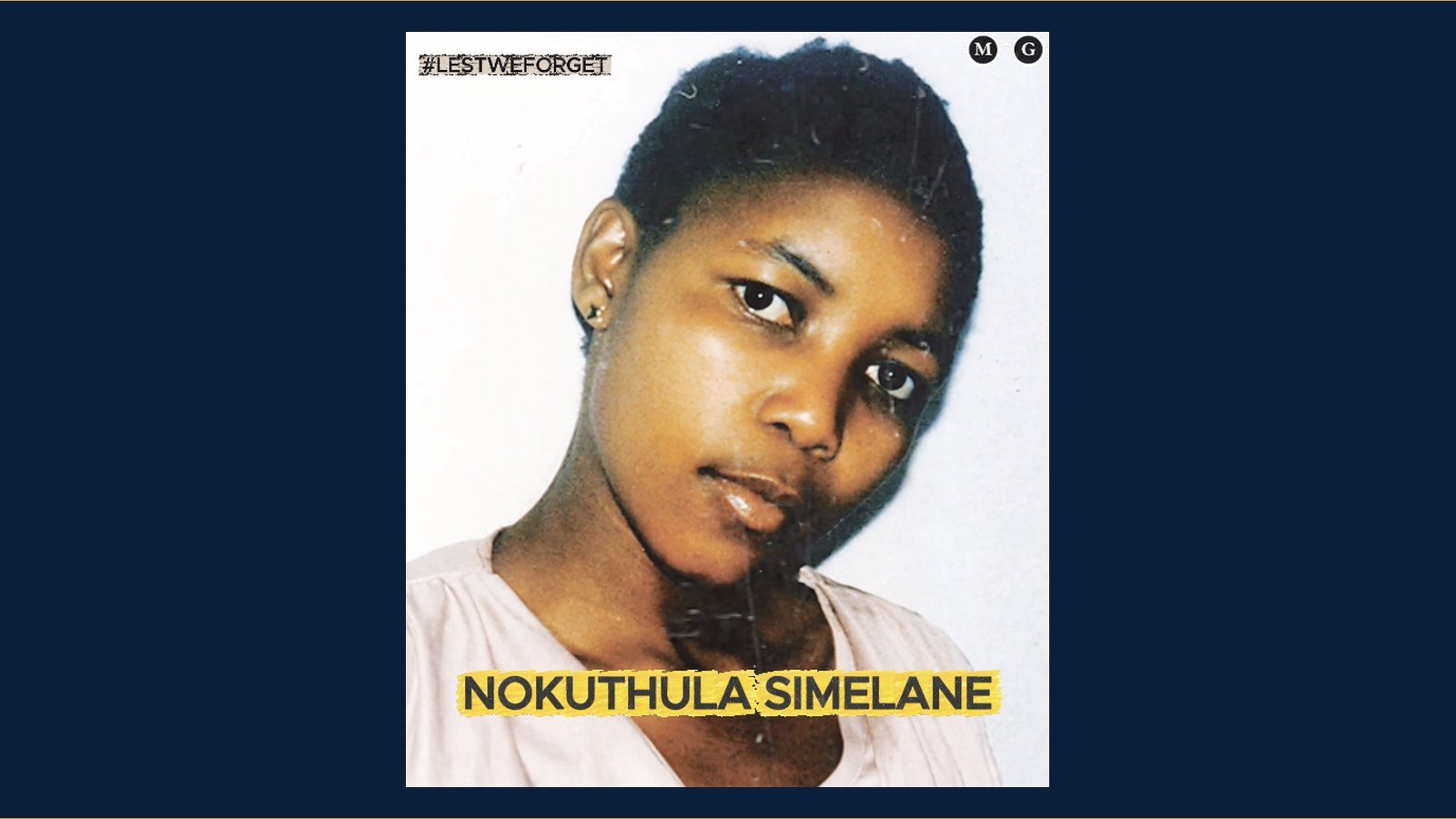
Nokuthula Simelane was twenty-three when the Security Branch took her from the basement of the Carlton Centre in September 1983. Her body has never been found, no applicant ever asked the Truth and Reconciliation Commission for amnesty for her killing, and in forty-three years her family has been to court three times to make the state act. Dr Malusi Gigaba and Minister Sis Thembisile Simelane, her sister, on a file that is still open.
Duma Khumalo was sentenced to death for a killing the highest court in the land assumed none of the six had caused. He was reprieved fifteen hours before the rope, released in 1991, and died in 2006 still asking a free South Africa to correct what the apartheid state had written against his name.
Twenty-five years after the World Conference Against Racism convened in Durban, Dr Malusi Gigaba asks what has changed about how inequality is produced — from a digital divide to an ownership divide, and whether Africa is building the capital, computing capacity and institutions to own its digital future, or merely gaining access to systems others control.
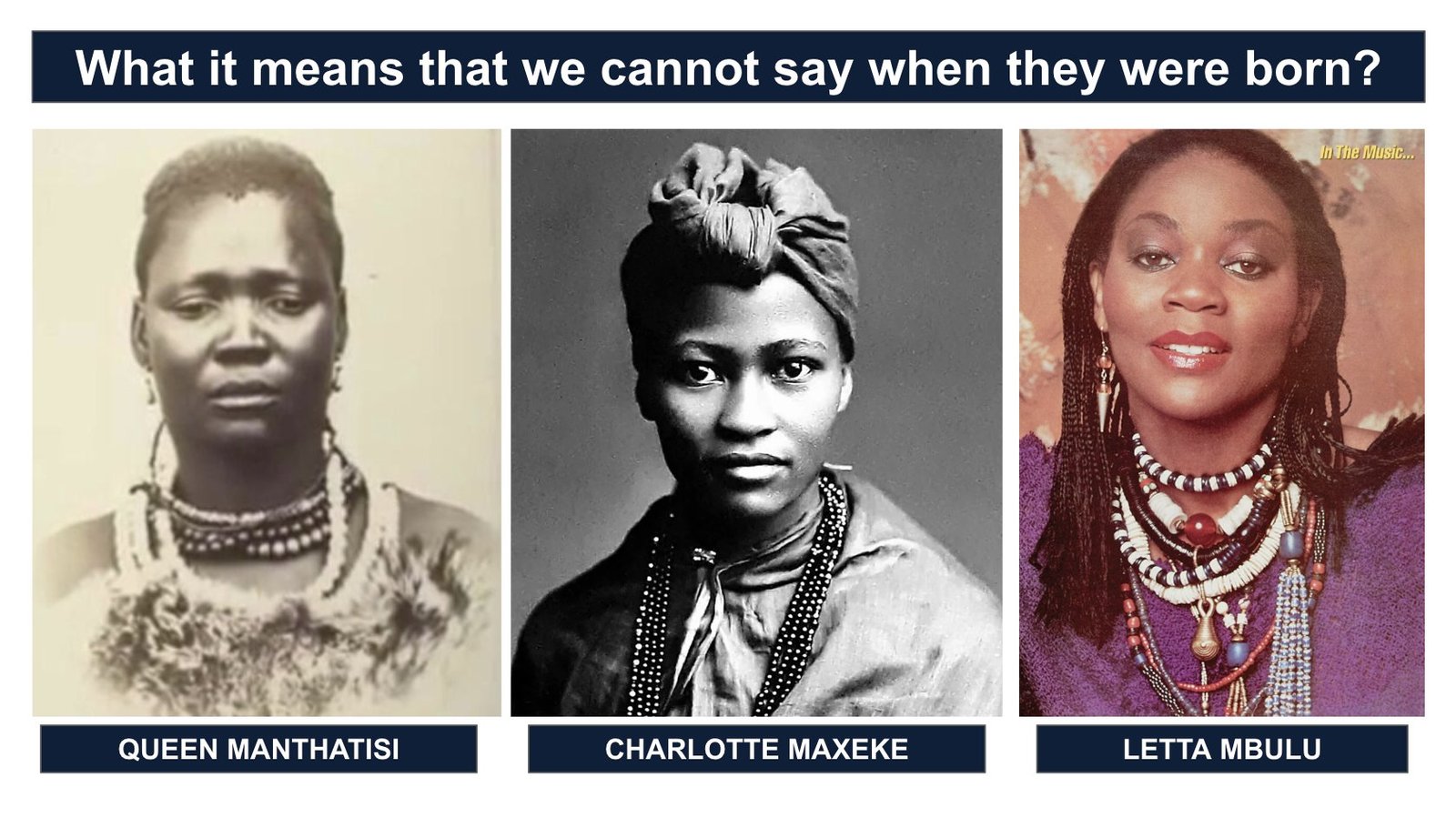
Dr Malusi Gigaba set out to write about the marriage of Caiphus Semenya and Letta Mbulu, and could not establish when she was born. From Queen Manthatisi to Charlotte Maxeke to a late-registration rate that ran at 42.5 per cent as recently as 2005 — on the register that failed to record us, and what that means for everyone whose name never made a calendar.
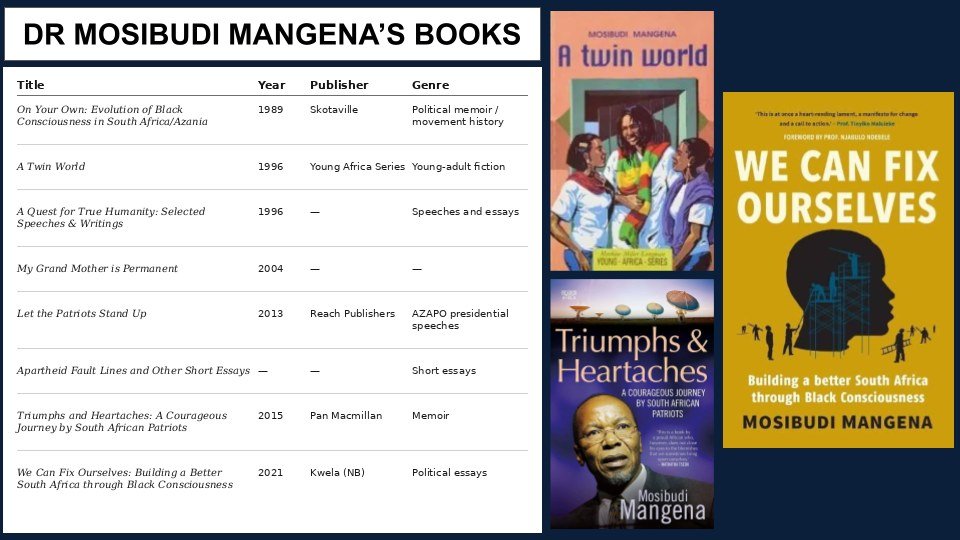
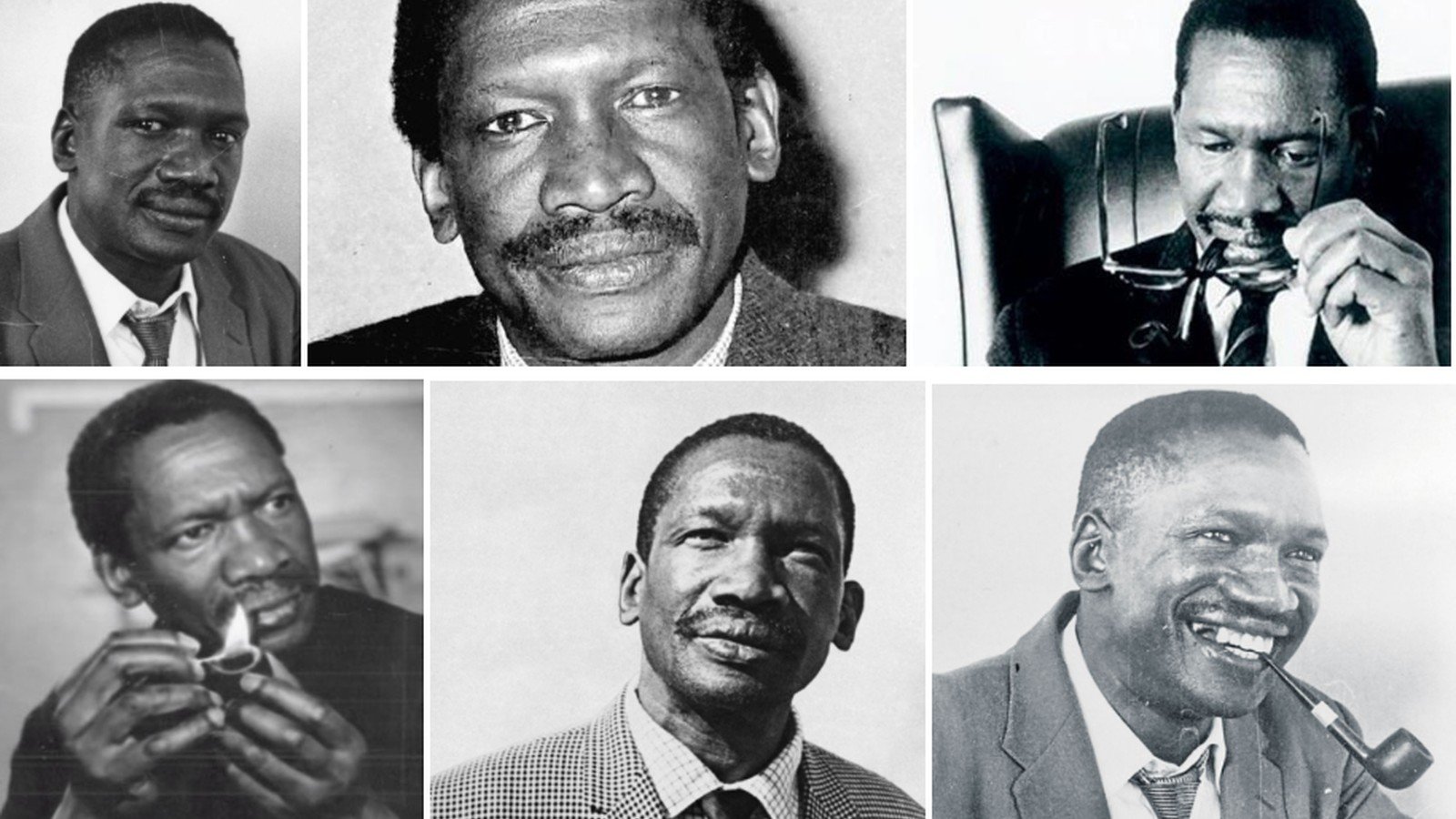
Mosibudi Mangena turned seventy-nine this month. He was the first Black Consciousness activist sent to Robben Island, took a science degree while serving the sentence, led a party for sixteen years and wrote eight books — and our record cites him constantly and studies him almost never.
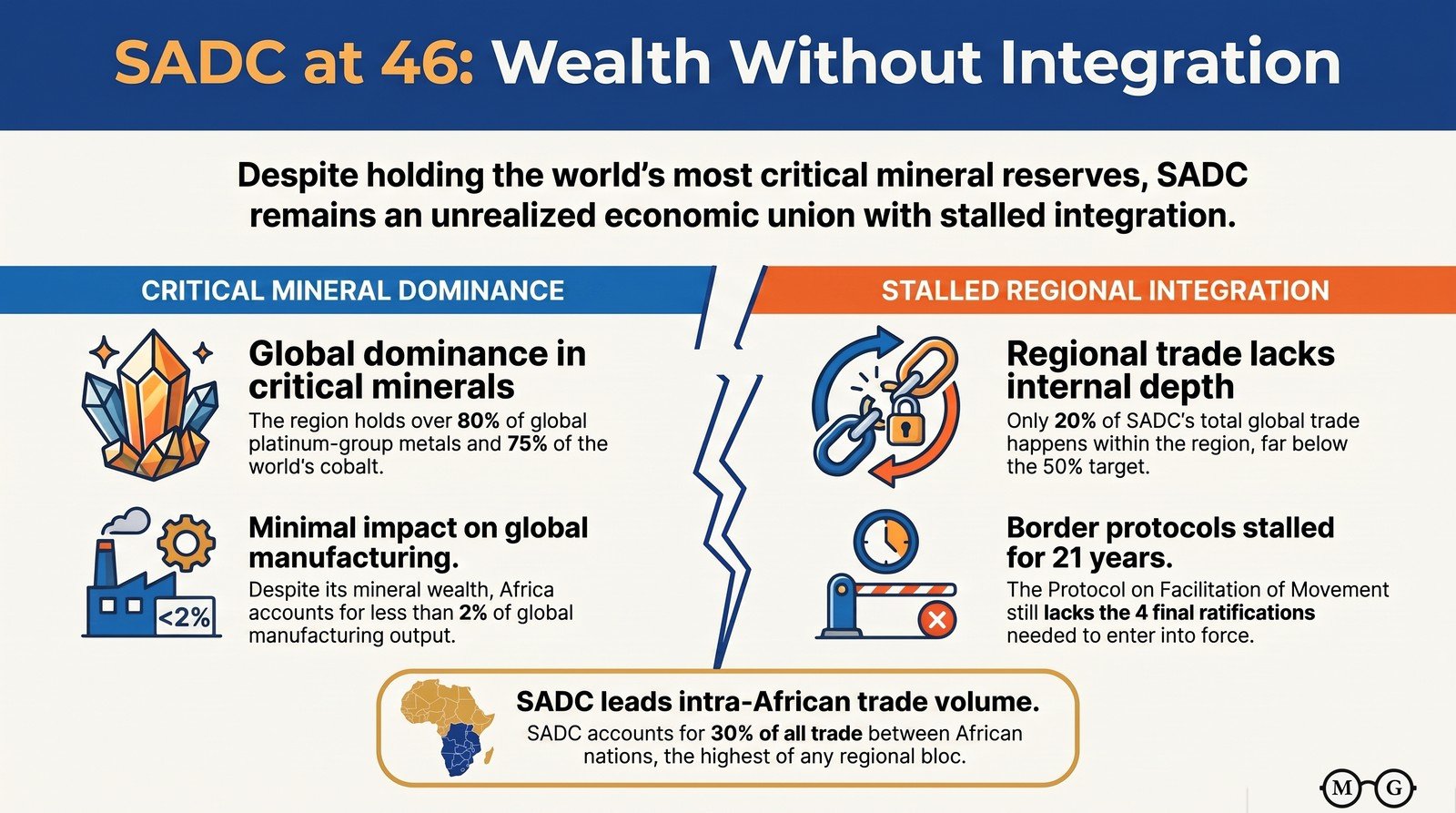
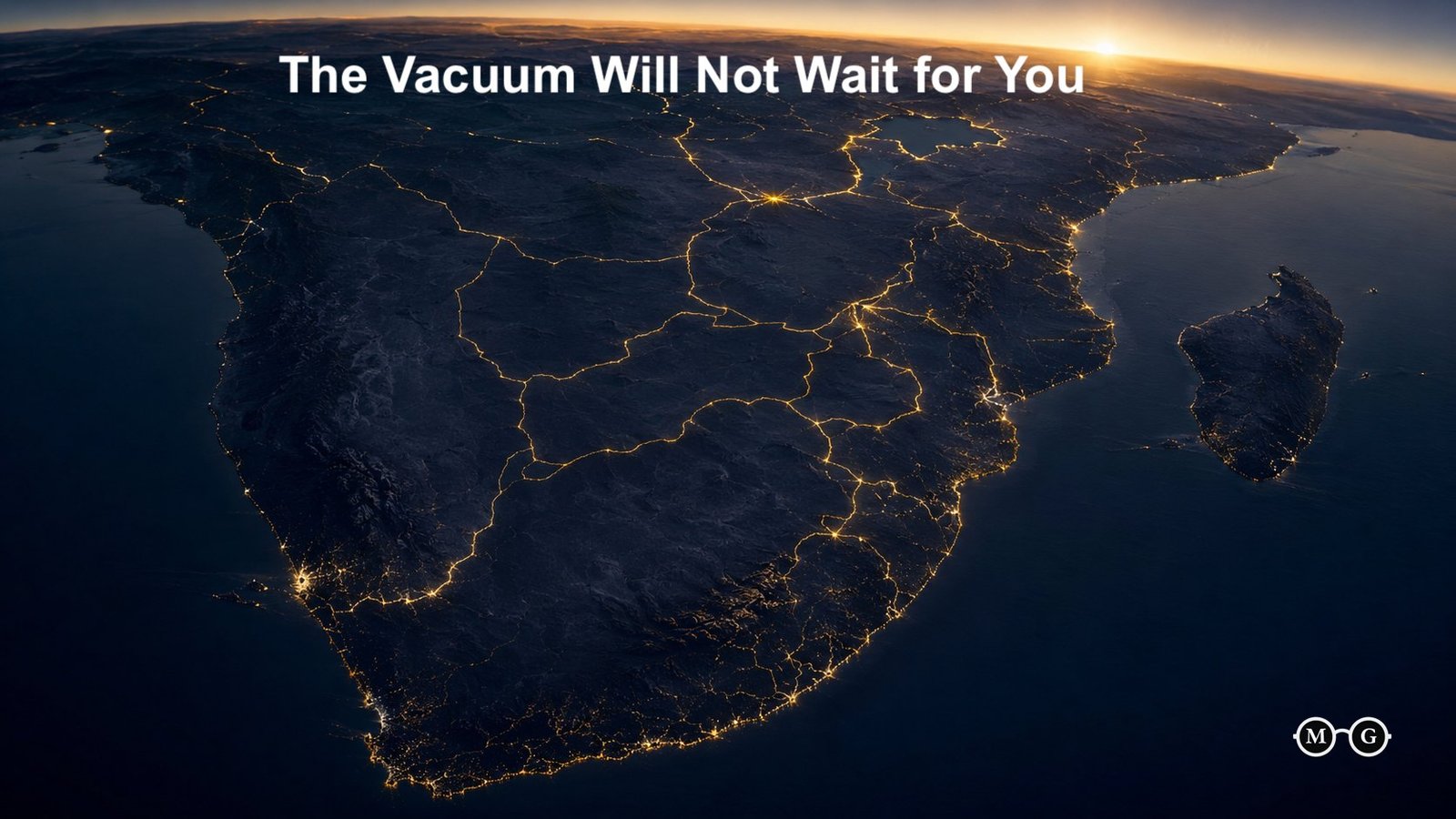
Forty-six years after nine states met in Lusaka to reduce their dependence on apartheid South Africa, South Africa takes the chair. What the region actually built, the movement protocol that has never come into force, and the minerals question no summit theme survives contact with.
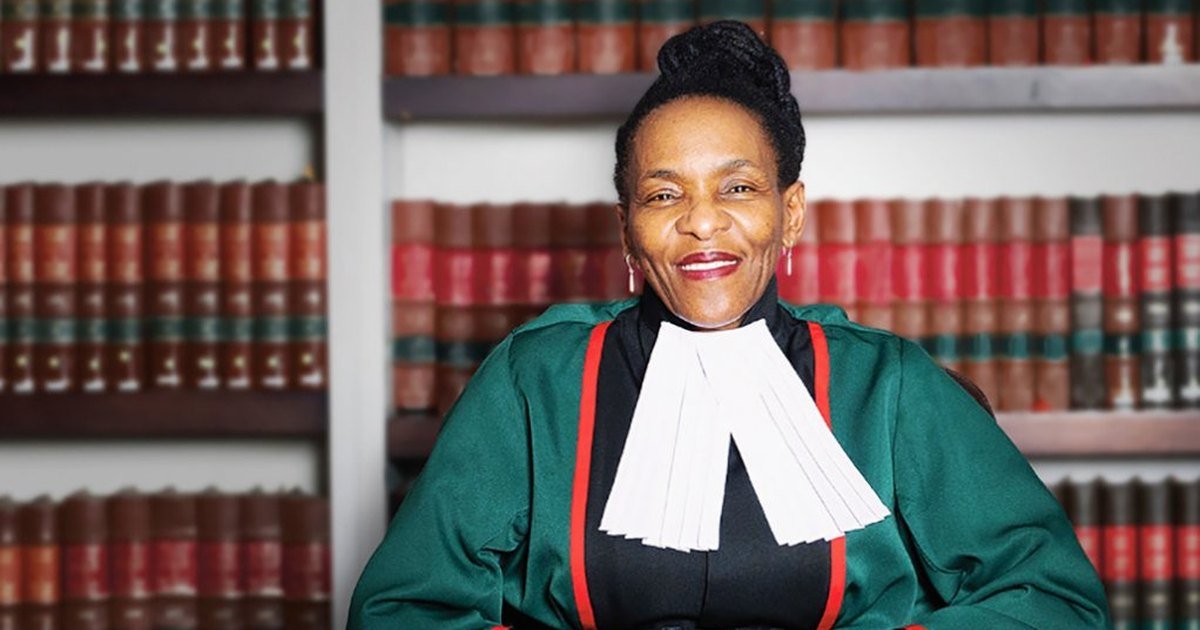
Seventy years after twenty thousand women marched on the Union Buildings, twenty-six African women who were the first to do something — and why a “first” is not a trophy but a measure of how long a door was held shut.
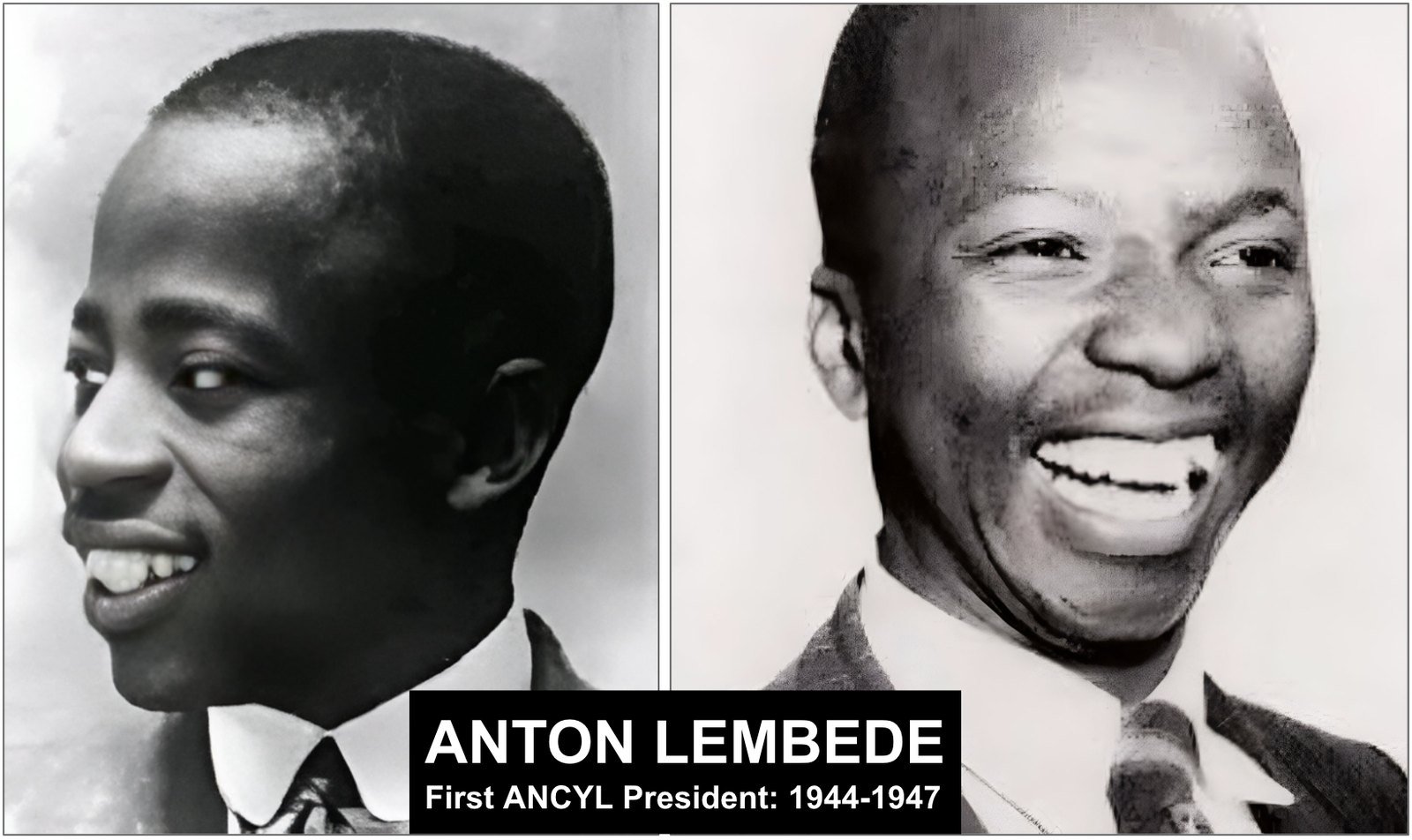
Anton Lembede died on 30 July 1947 at thirty-three, in the middle of everything — a finished house he never slept in, a doctorate begun, an argument half-made. On the first President of the ANC Youth League and the work he left unfinished.
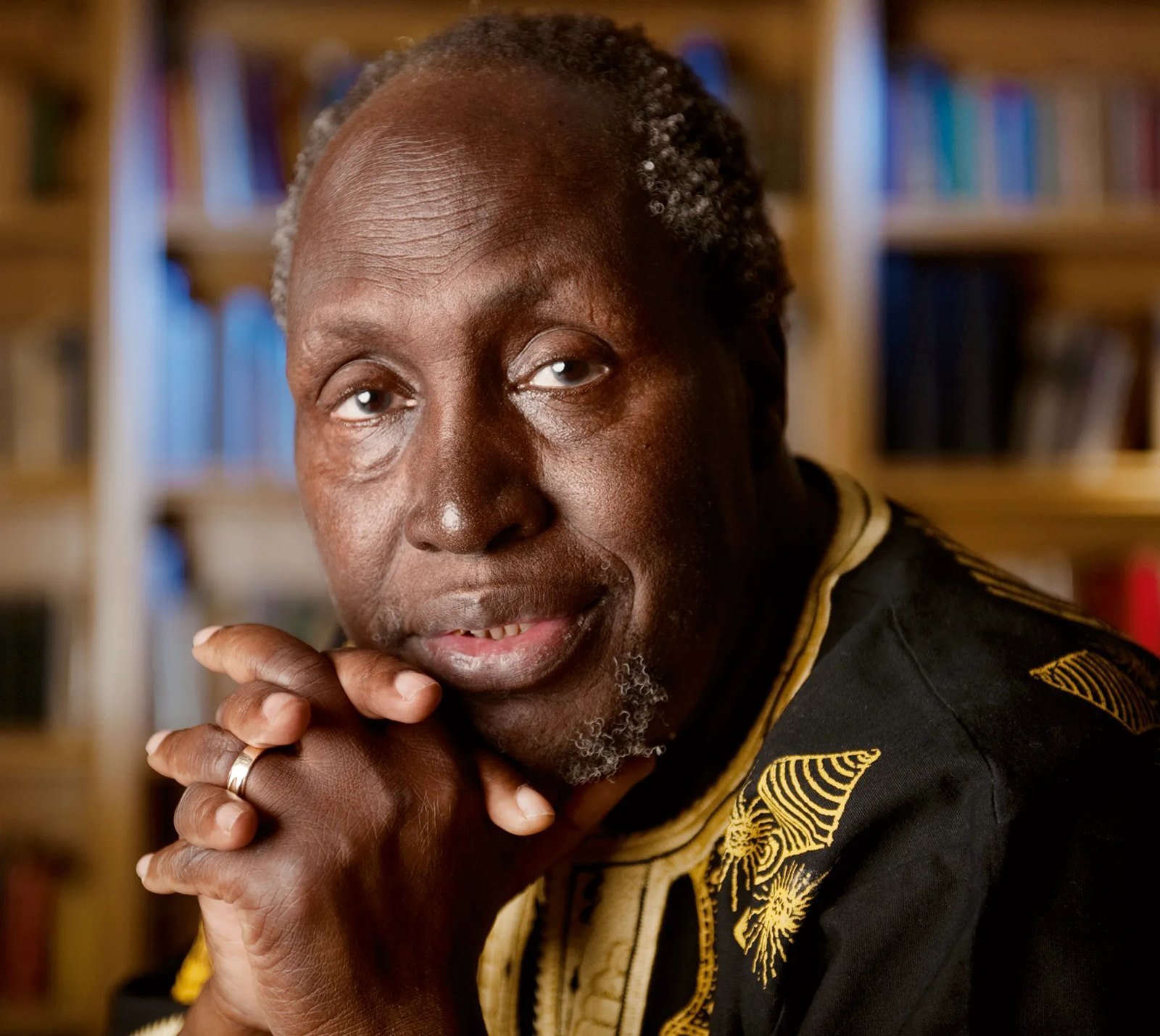
Marking Gibson Kente’s 23 July birthday — why the apartheid state, and after freedom the post-colonial state that jailed Ngũgĩ wa Thiong’o, feared the stage, and what that fear still asks of every government that follows.
Written alongside the doctorate-anniversary reflection — on the colonial design of “Native Higher Education,” the intellectuals who refused it, and why, for Black people, academic achievement is never a neutral act.
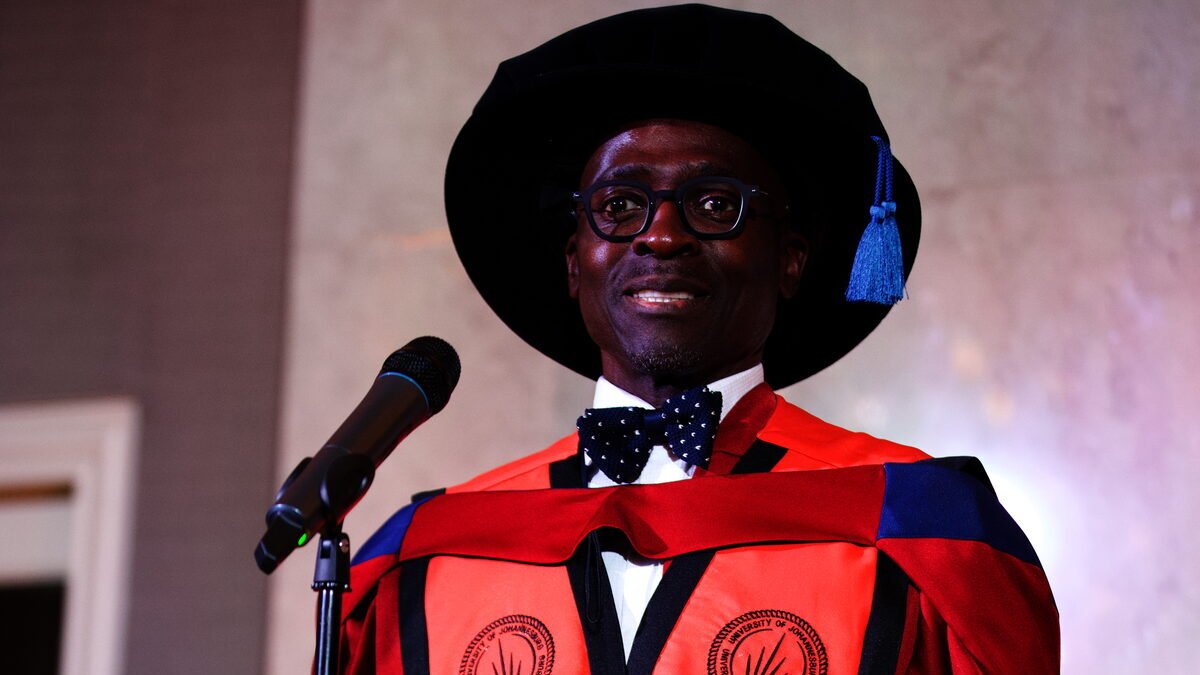
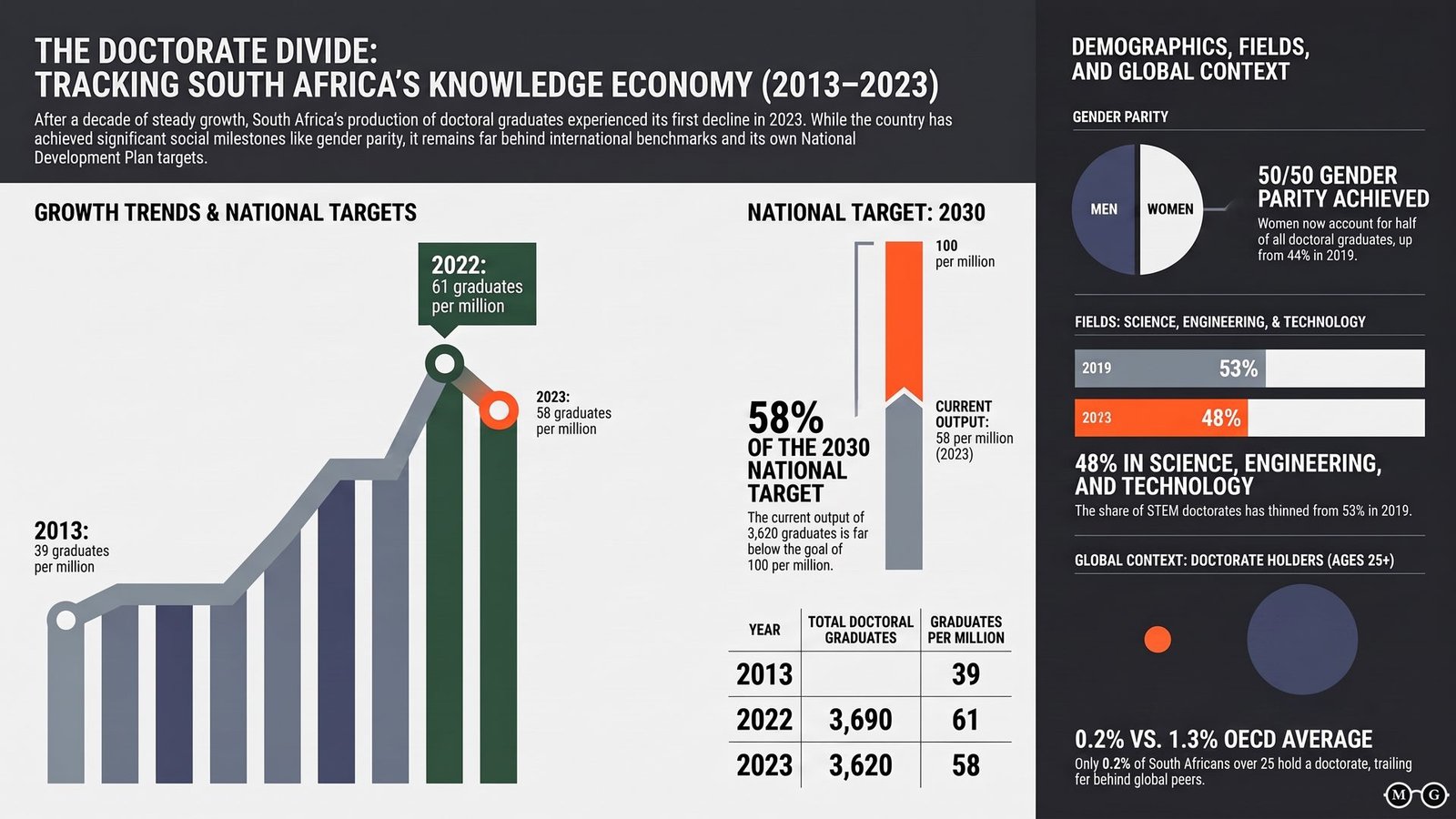
On the first anniversary of his doctorate, a reading of the official record — who earns South Africa's doctorates, in what fields, and what the numbers say about a continent learning to own its own knowledge.
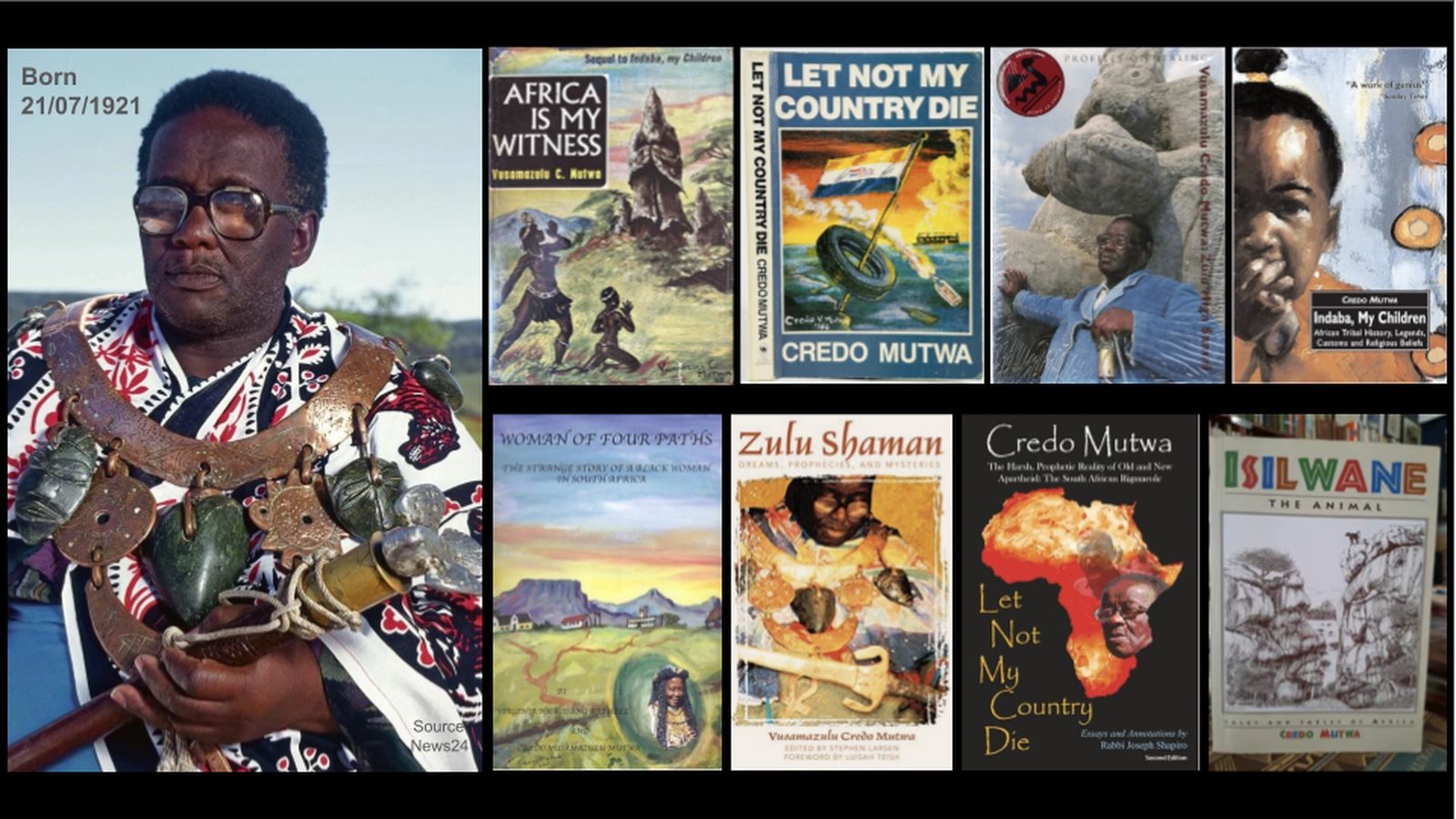
On what would have been his 105th birthday, a tribute to Vusamazulu Credo Mutwa — the custodian who spent a century recording a nation's memory, and the question of who keeps that memory now.
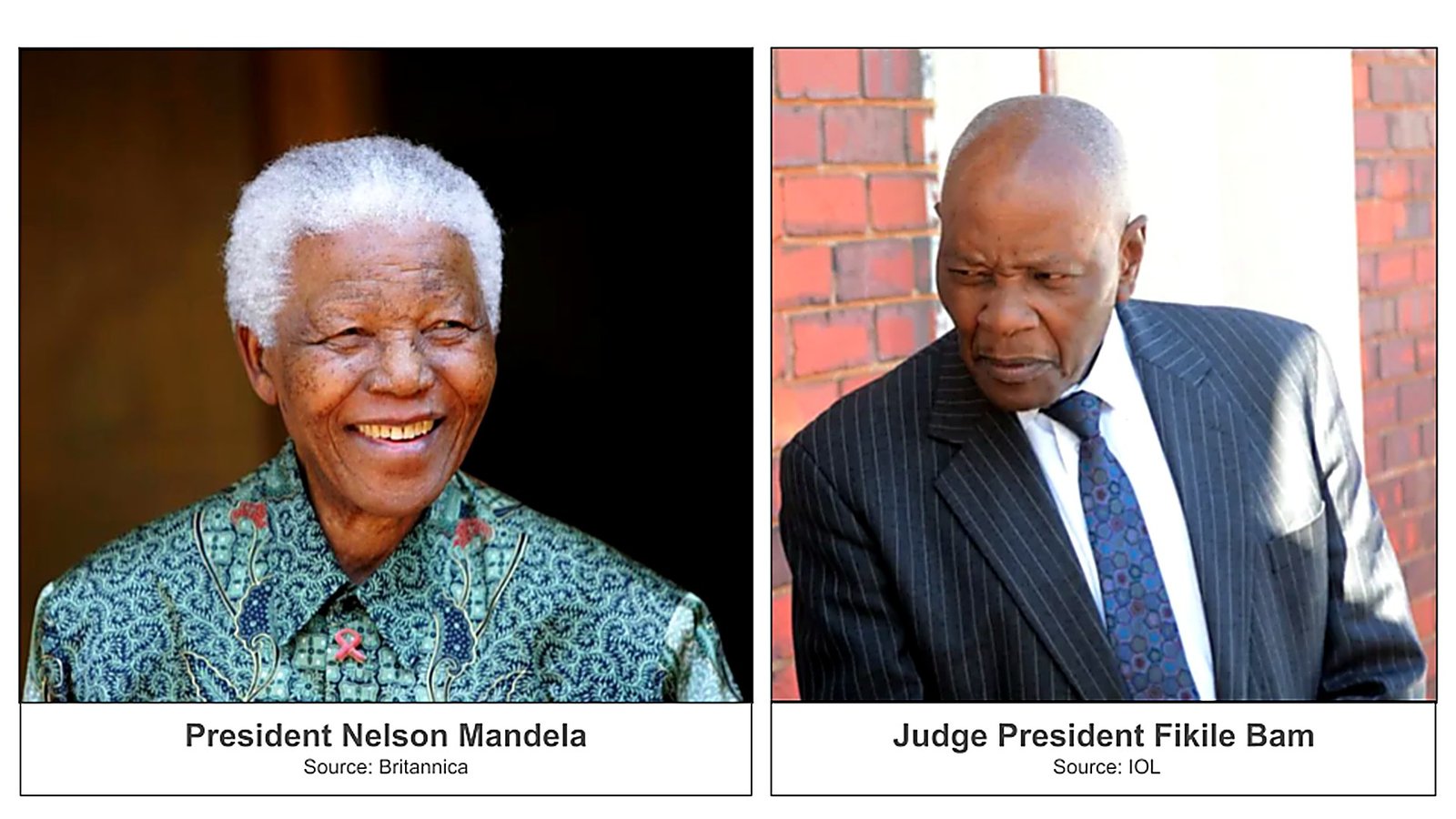
Fikile Bam shared President Mandela's birthday, his prison, and a decade of his section on Robben Island — the jurist of land restitution, and the freedom the nation still owes.
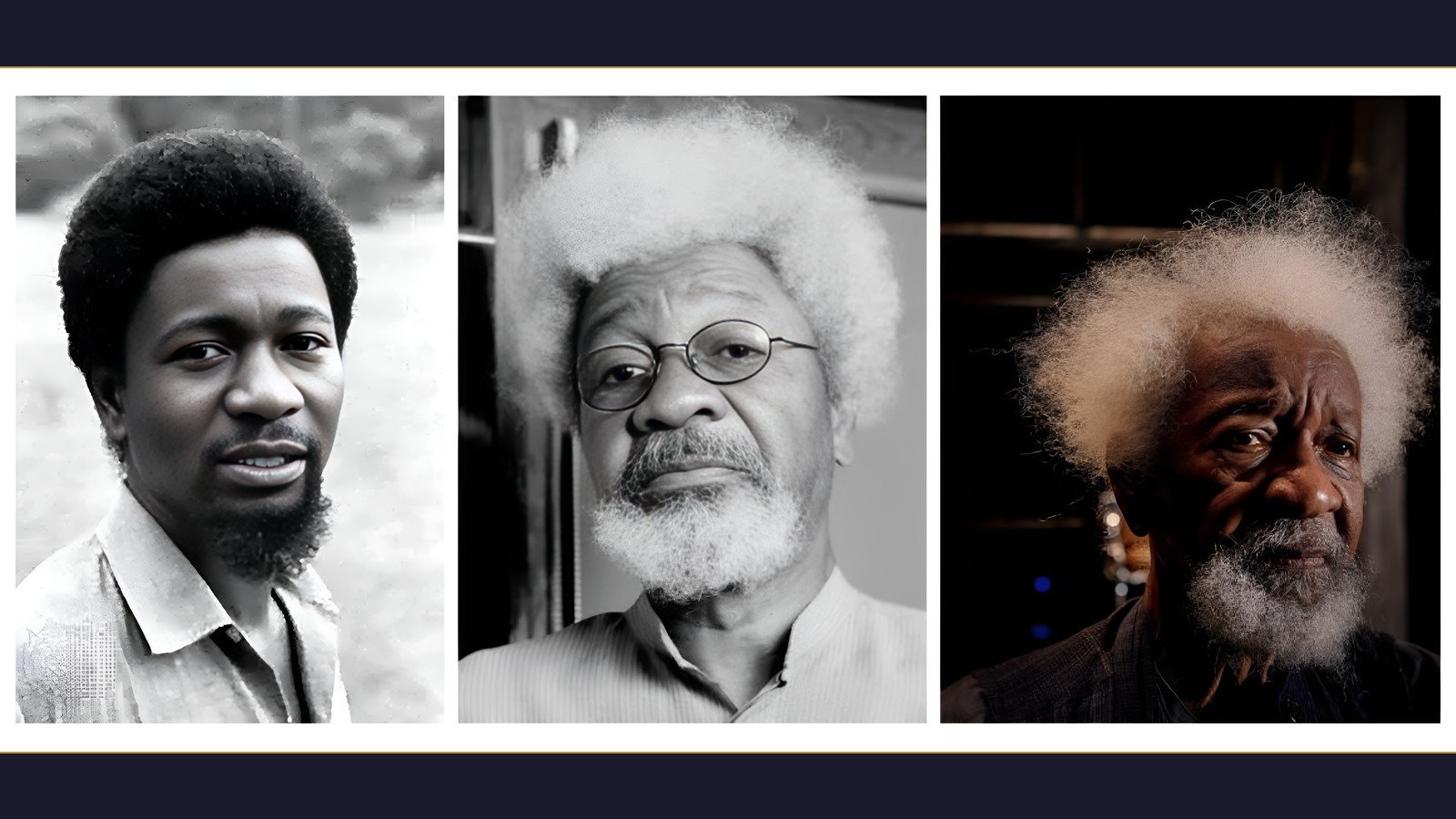
On African Integration Day, Wole Soyinka's life shows the integration no trade treaty can sign — the shared imagination that must precede a common market.
South Africa's immigration crisis requires policy, not populism — a practical, constitutional and economically sustainable framework for migration governance, beyond deportation and beyond denial.
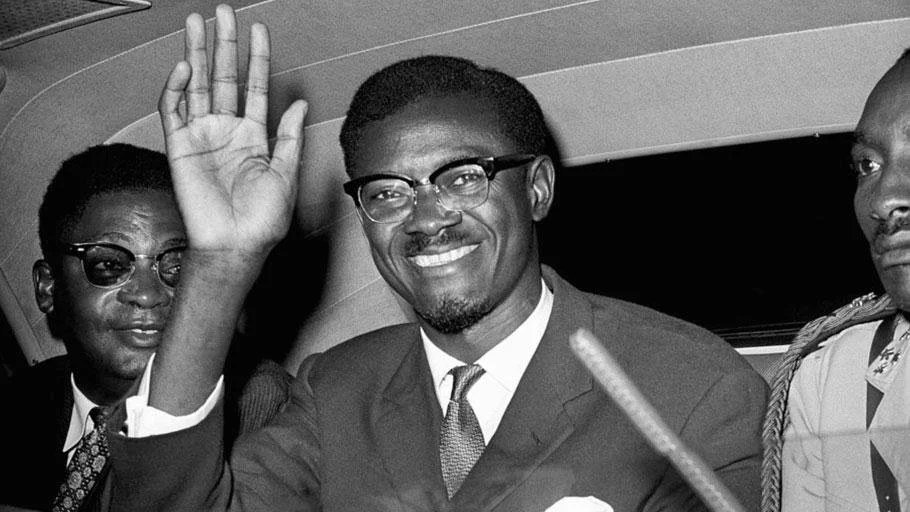
On Lumumba's 101st birthday — the direct institutional chain from his 1961 assassination to the war eastern Congo is still fighting in 2026, and who has profited at every step.
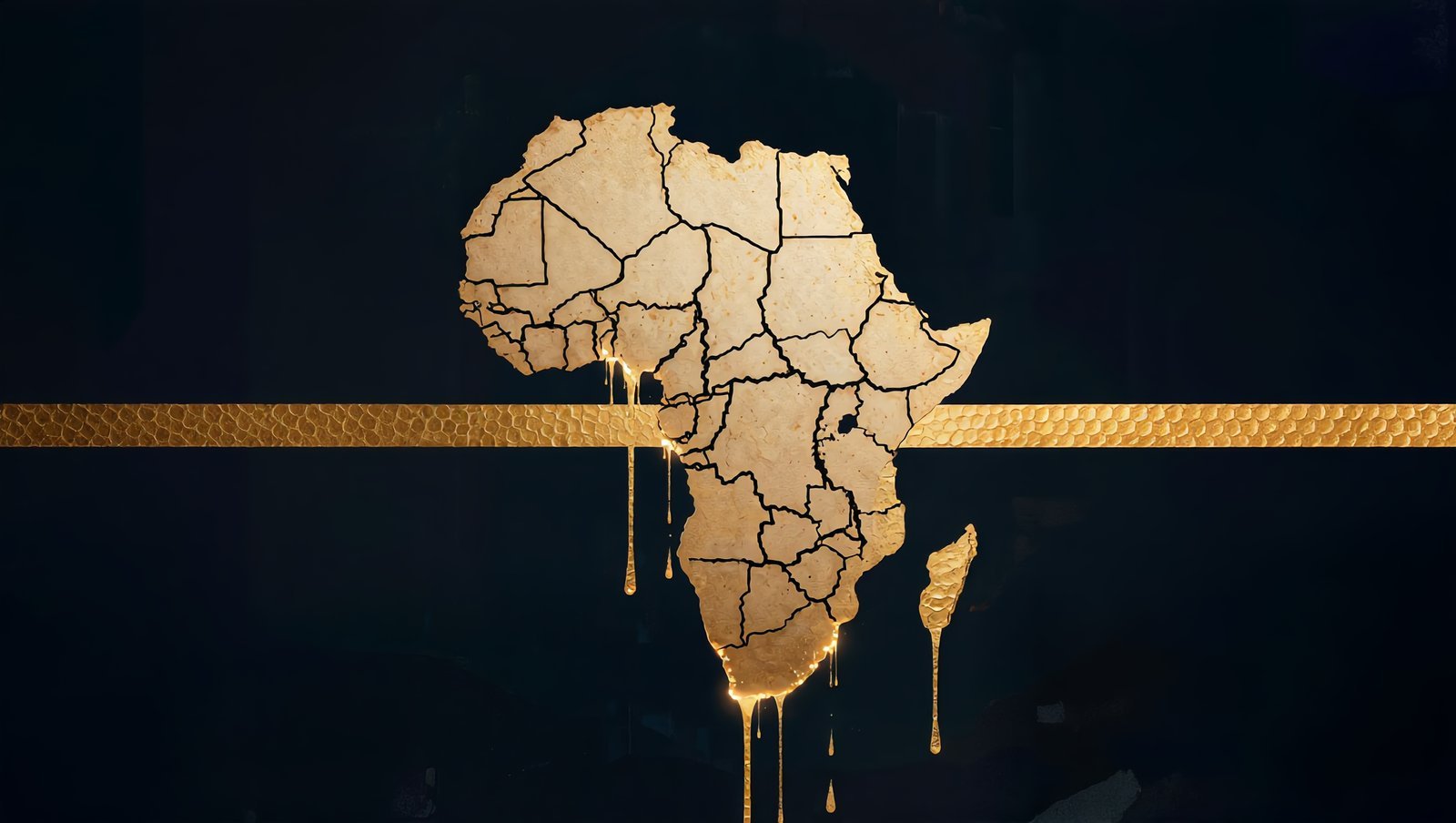
The division of Africa was not an accident but an imperial design — and the cost of that disunity is still paid in poverty, dependency and lost sovereignty.
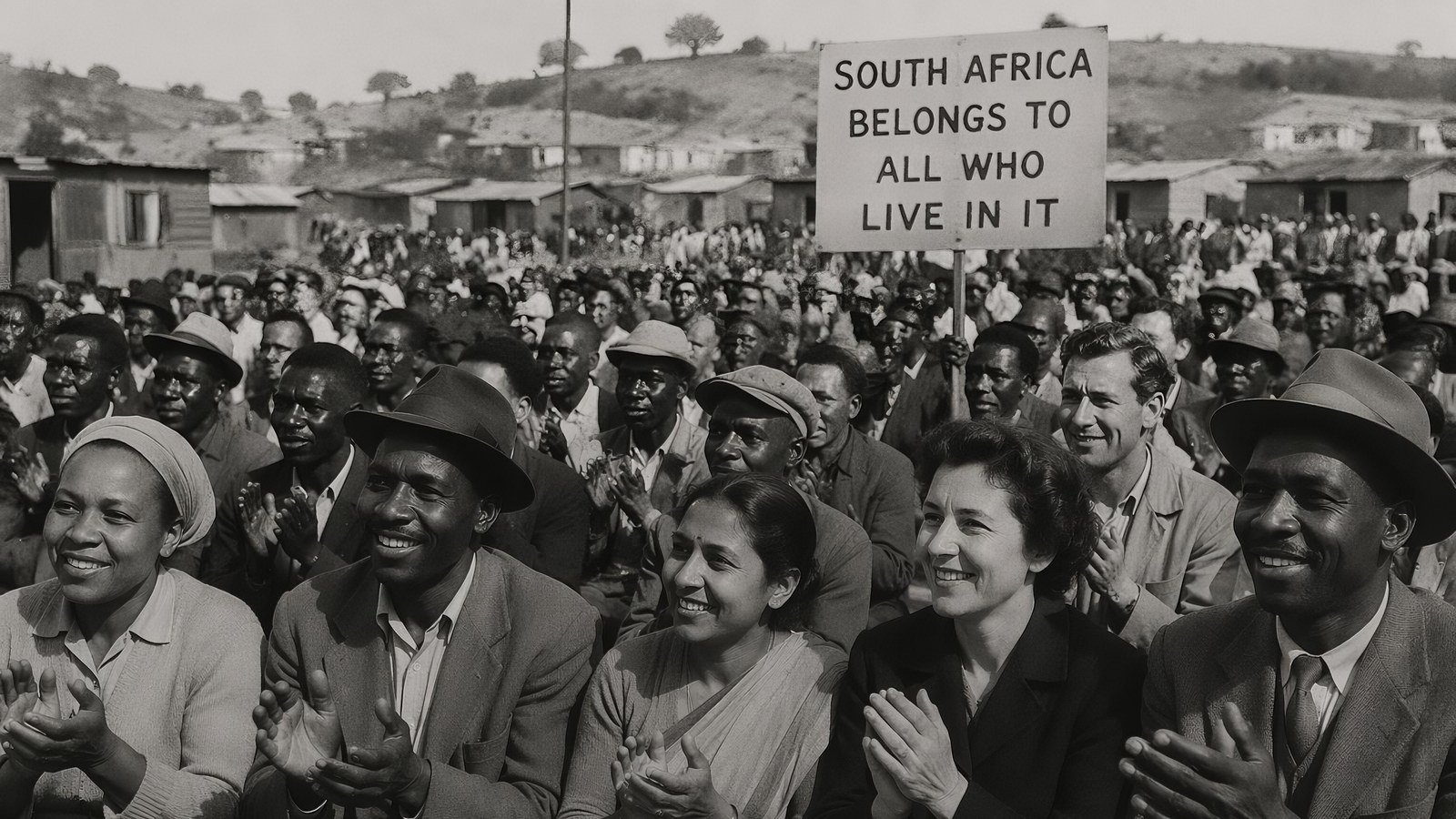
Seventy-one years after Kliptown — the Freedom Charter’s promise that South Africa belongs to all who live in it, and the new politics of belonging that now tests it.
On World Refugee Day, Dr Malusi Gigaba and Dr Omano Edigheji follow the trade, energy and people that bind South Africa to the continent — and weigh what isolation would actually cost.
On Youth Day, fifty years after Soweto — the firebrand who led a generation from the streets toward the state.
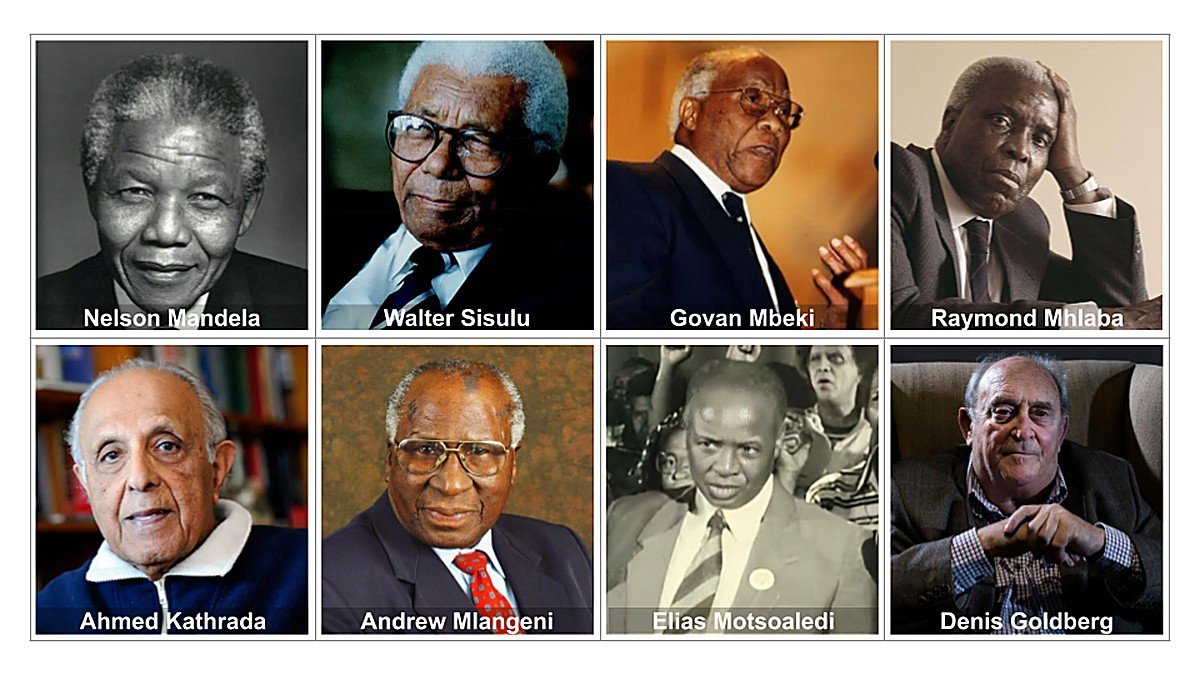
Weighing the worth of the sacrifice — for the eight men and their families, for the country, and for the continent.
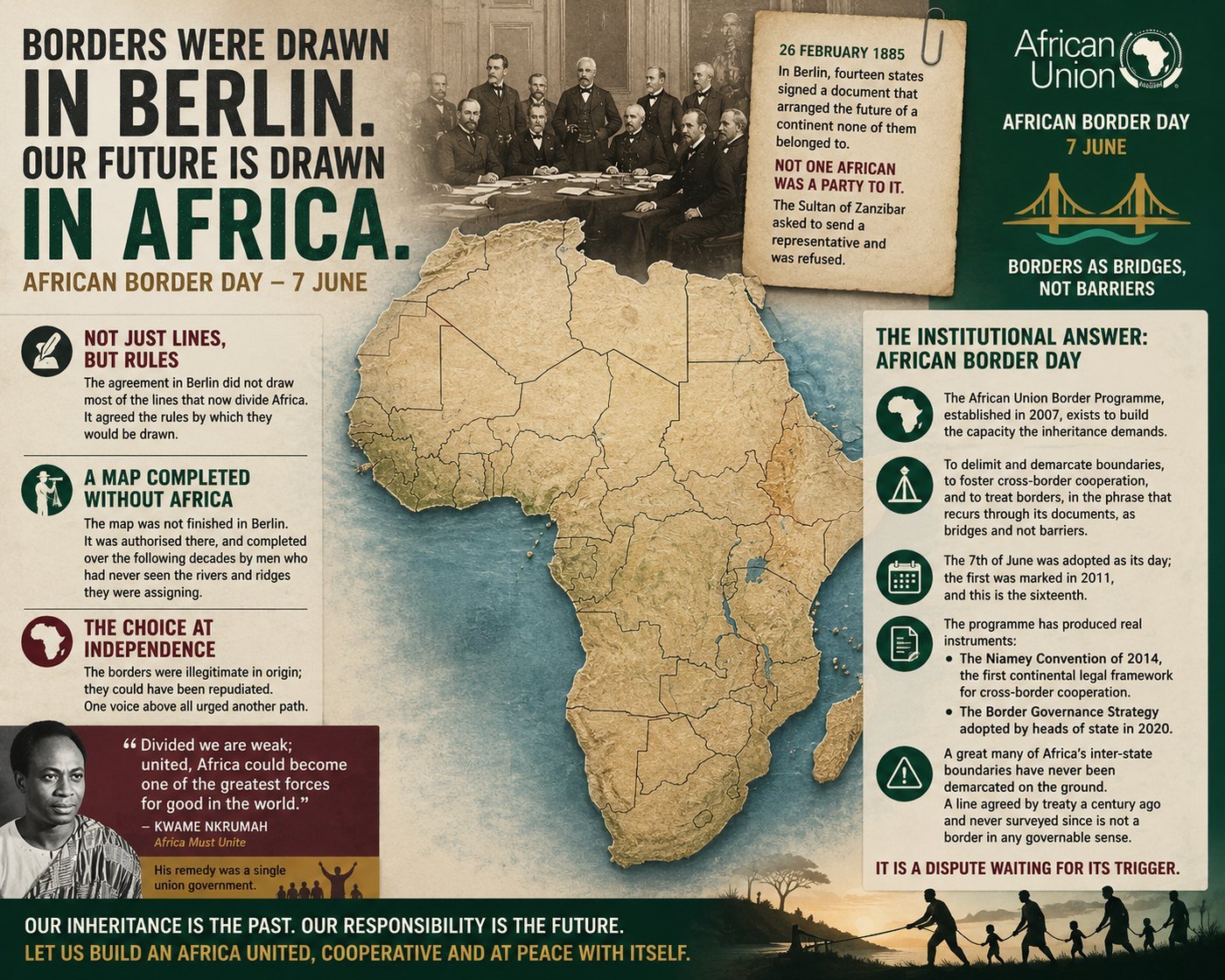
The colonial lines authorised at Berlin in 1885 are now Africa’s to govern.
On the first anniversary of Ngũgĩ wa Thiong’o’s death — an unanswered institutional question.
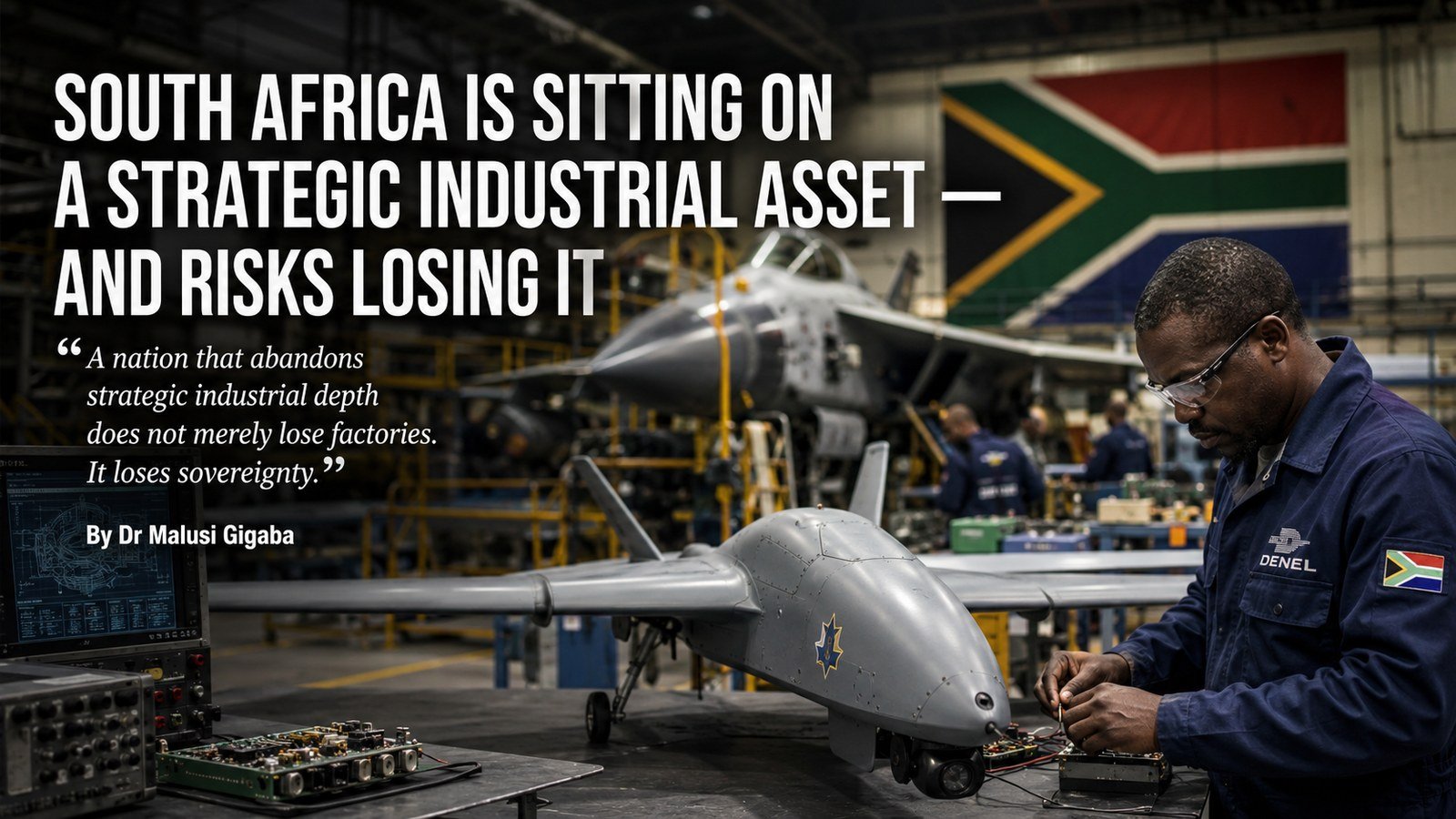
Industrial policy, technological sovereignty, and South Africa’s long-term strategic autonomy.
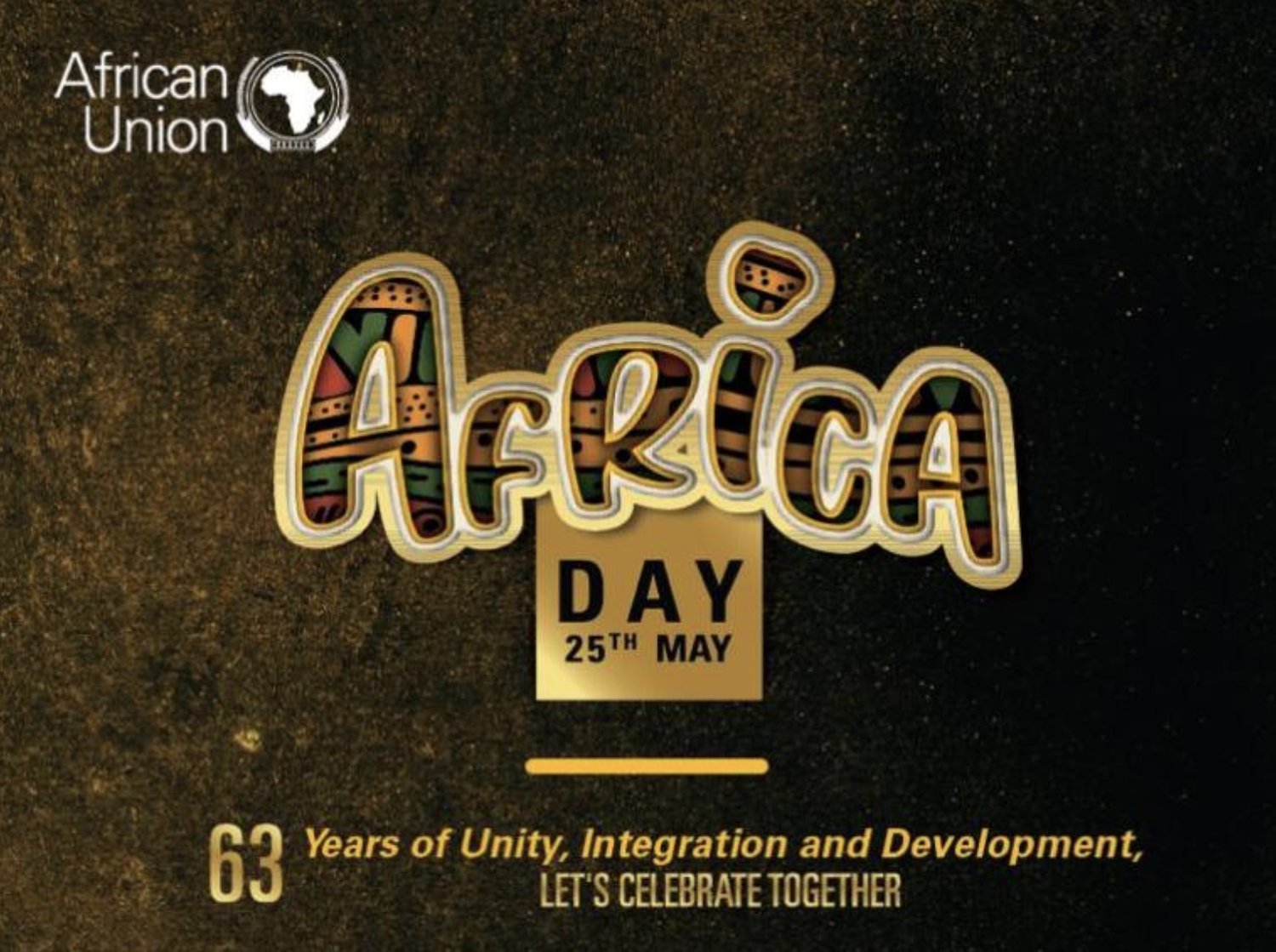
What the inheritance from 1963 demands of us now, written from inside the record.
A tribute to one of the ANC’s most formidable organic thinkers, on his eighty-fourth birthday.
On the organisational genius behind the movement, and the institutional discipline the ANC cannot afford to forget.
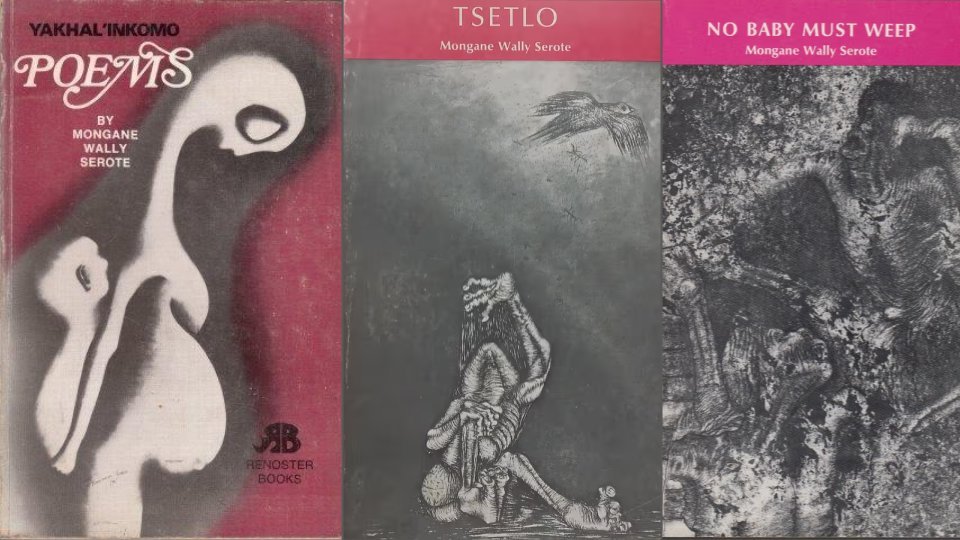
On Mongane Wally Serote — the poet of the struggle, and the conscience his work still demands of those who serve.
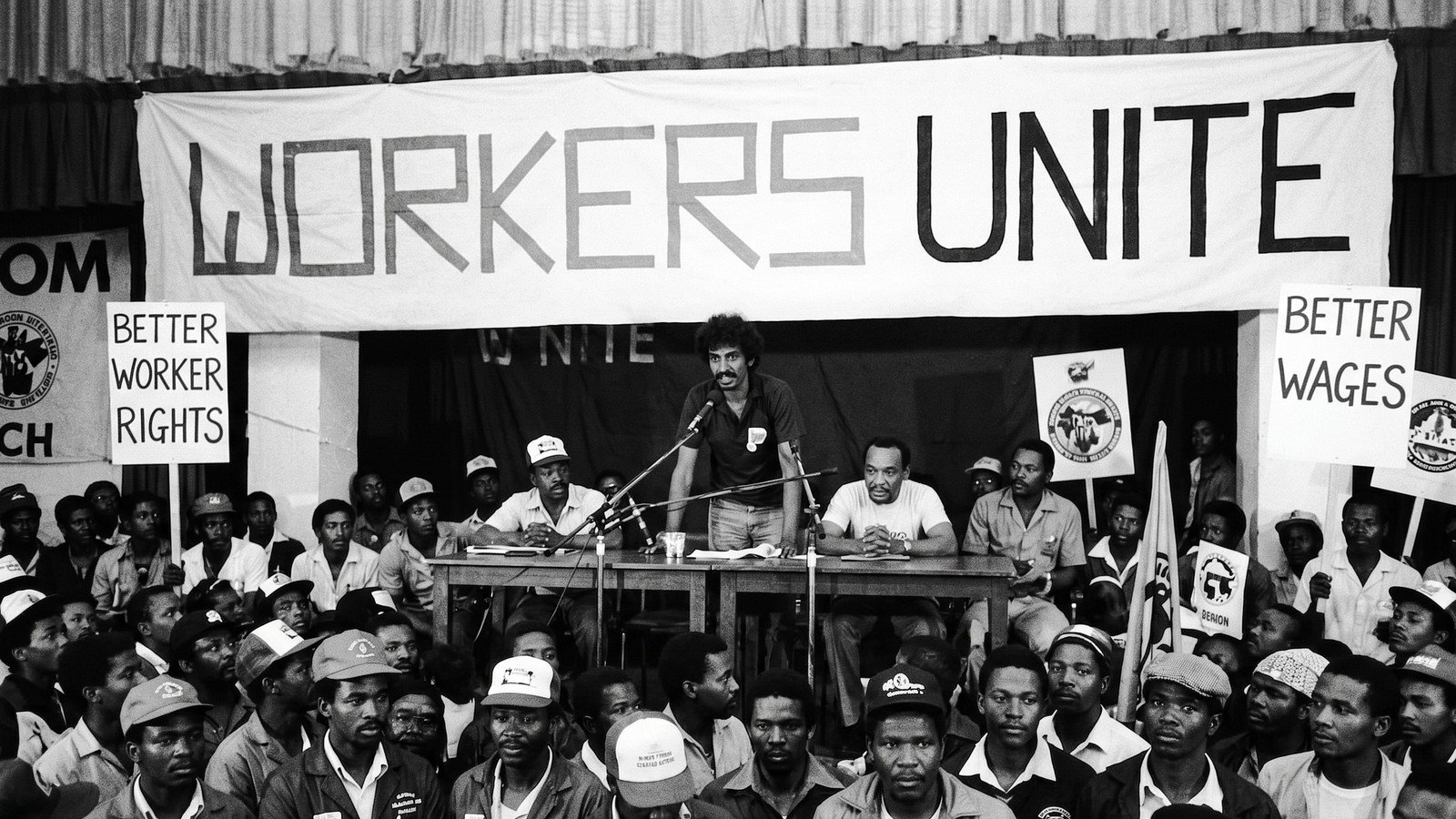
From the 1946 Mineworkers' Strike to 57% youth unemployment — Workers' Day is the anniversary of a demand still being made.
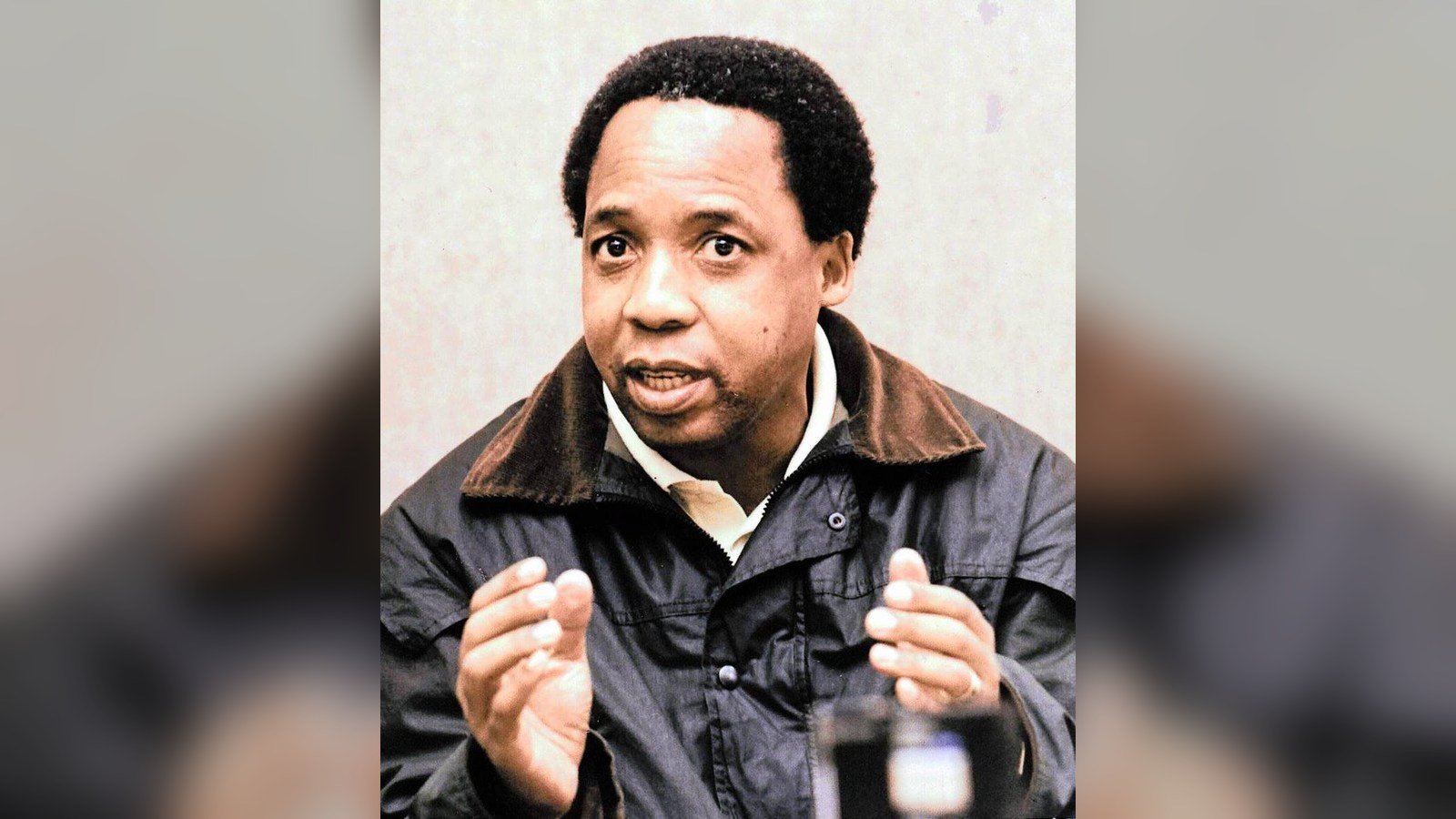
The man who held the ANC together through thirty years of exile — and who died without ever casting a vote.
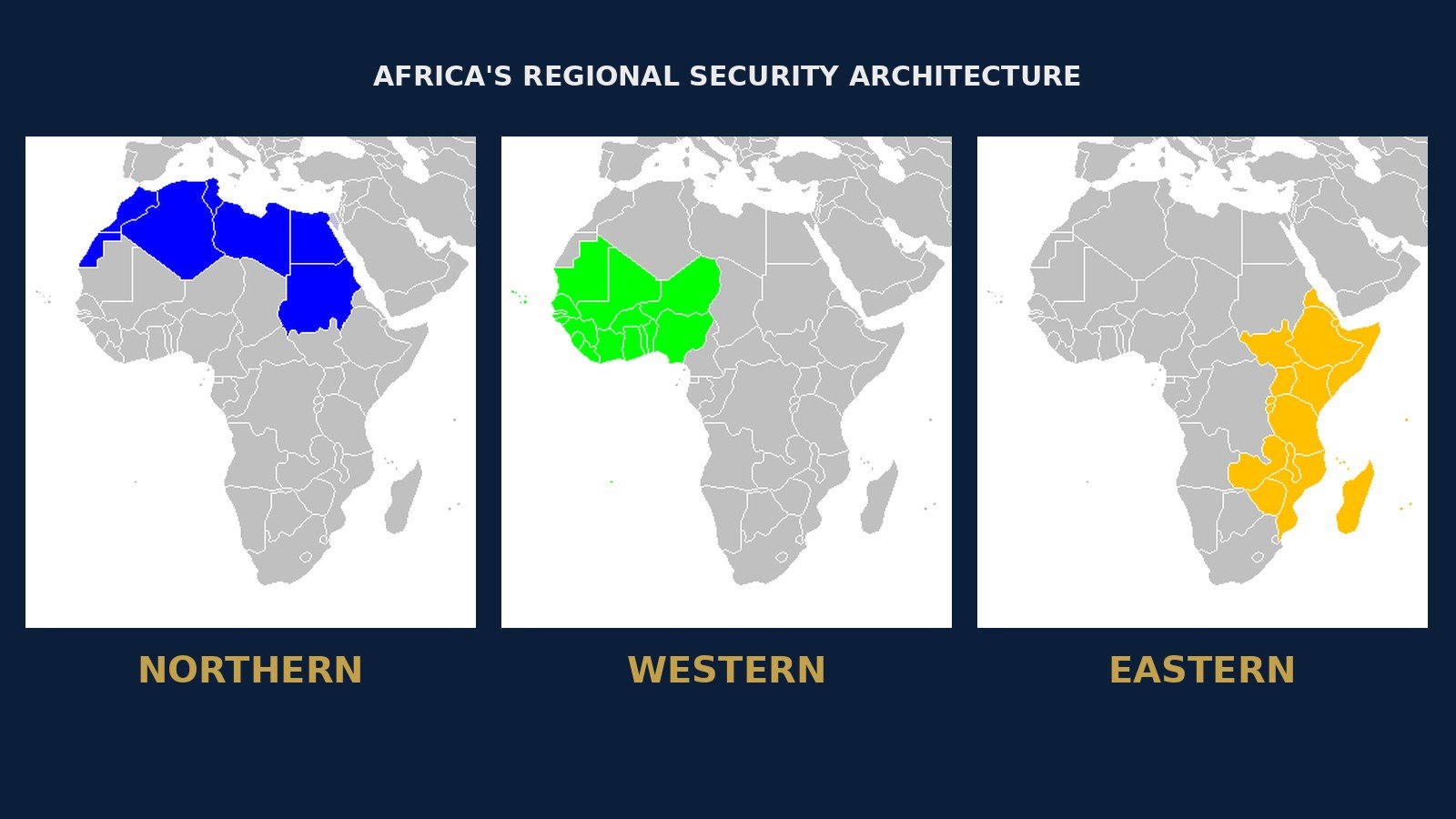
South Africa just took a two-year seat on the AU Peace and Security Council — and why it lands in the Shoprite queue.
The address that kept the country from burning, and the reconciliation that arrived from only one side.
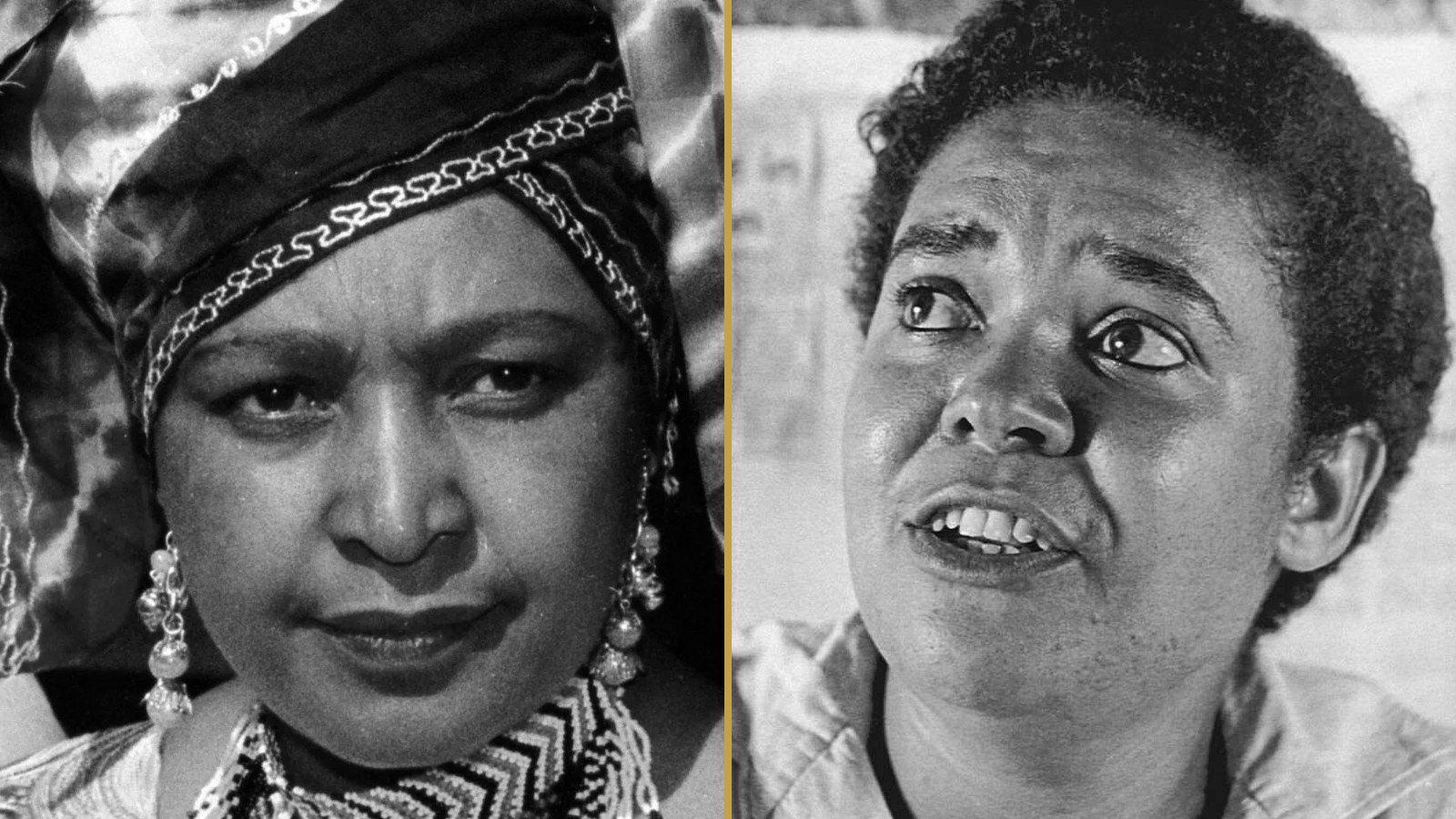
Two women the apartheid state tried, and failed, to erase — the record of resistance and the record of harm, held together.
The pass laws, Sobukwe's campaign, 1,344 rounds — and the Constitution later signed where the bullets fell.
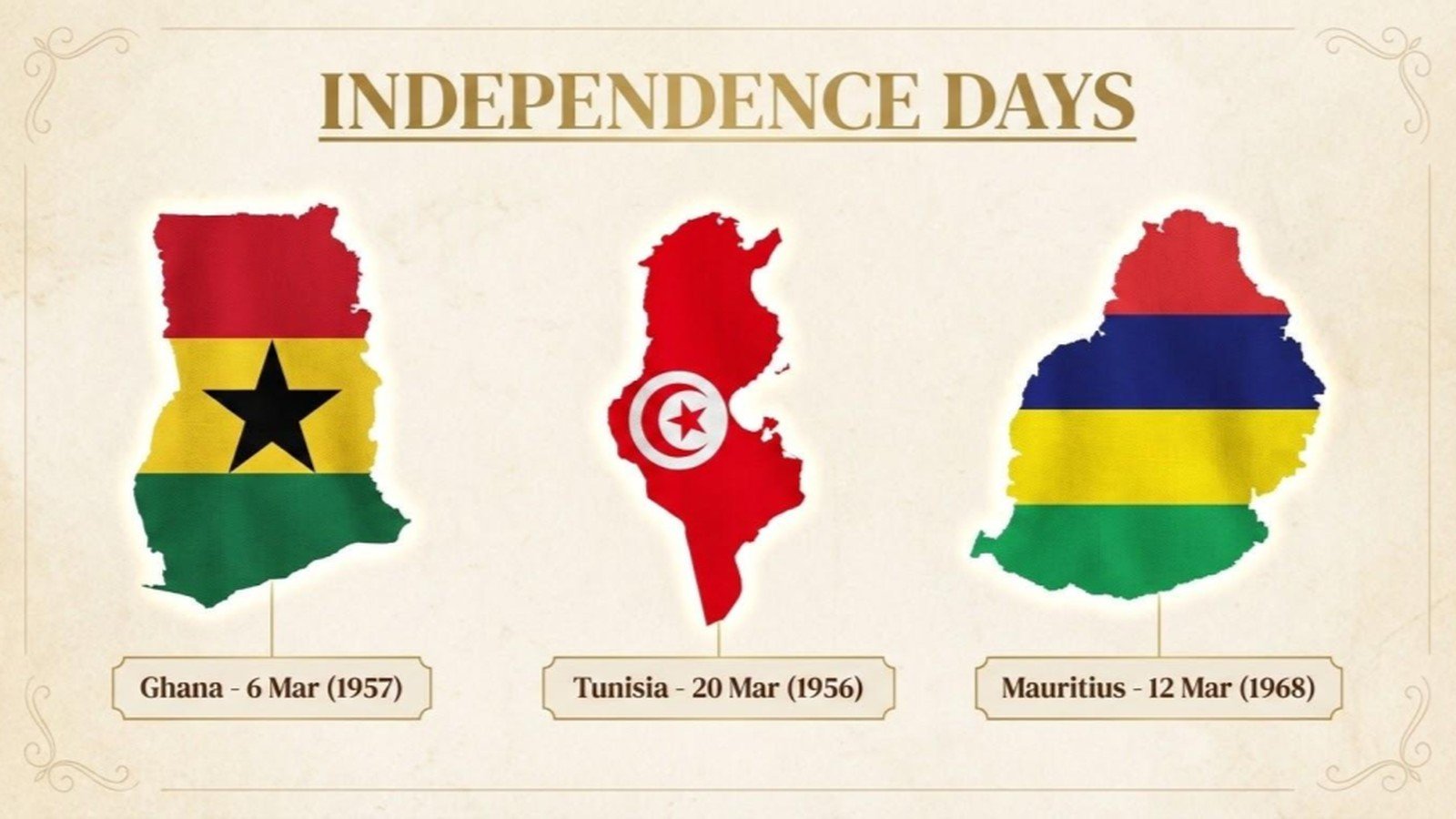
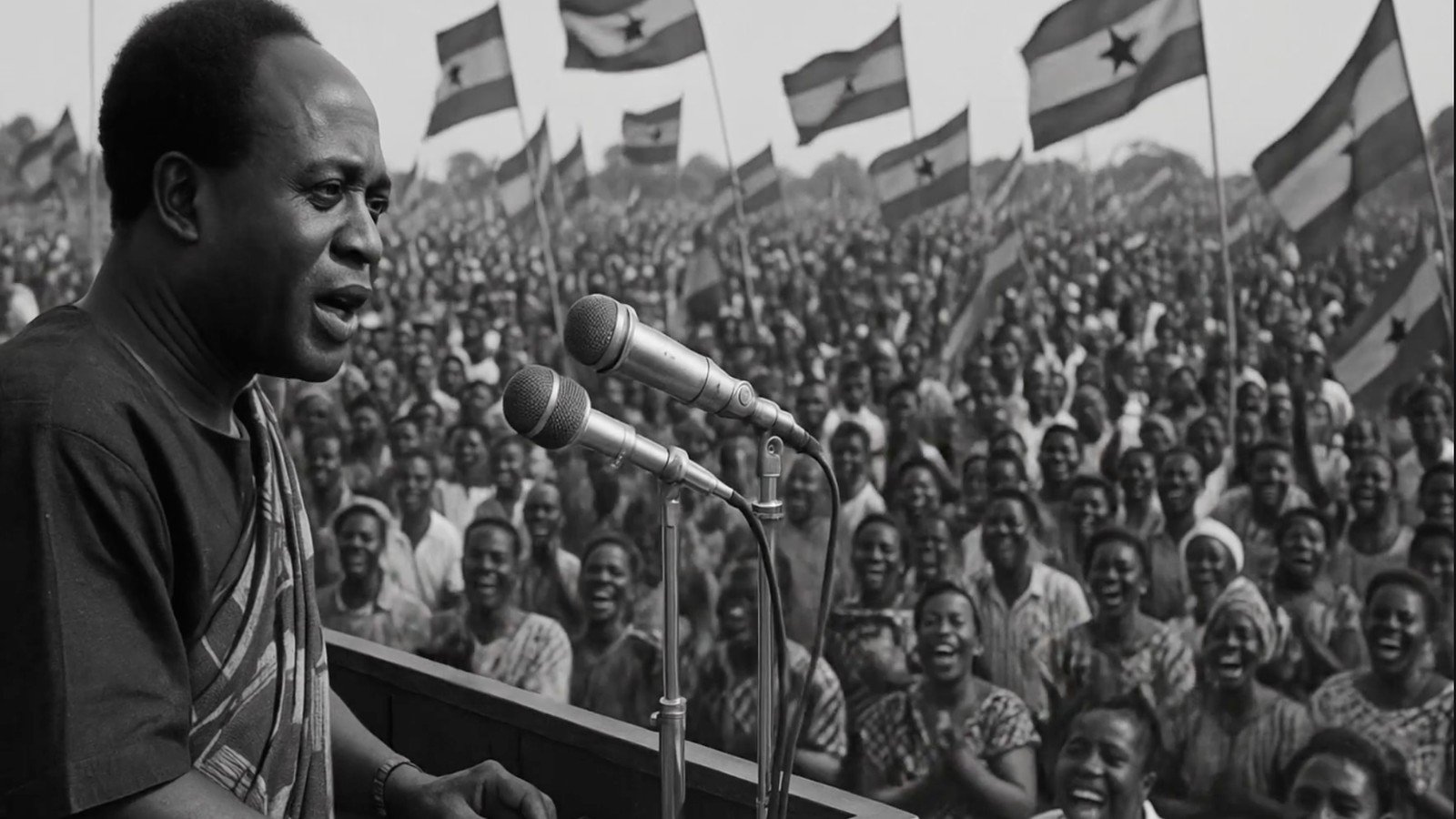
Ghana, Tunisia and Mauritius — and the question Nkrumah left open: free toward what?
On Miriam Makeba's birthday — the exiled artists who did not support the struggle from the side, but fought from the stage.
Imperial arrogance read as the thrashing of a waning power — and the case for a more just, multipolar order.
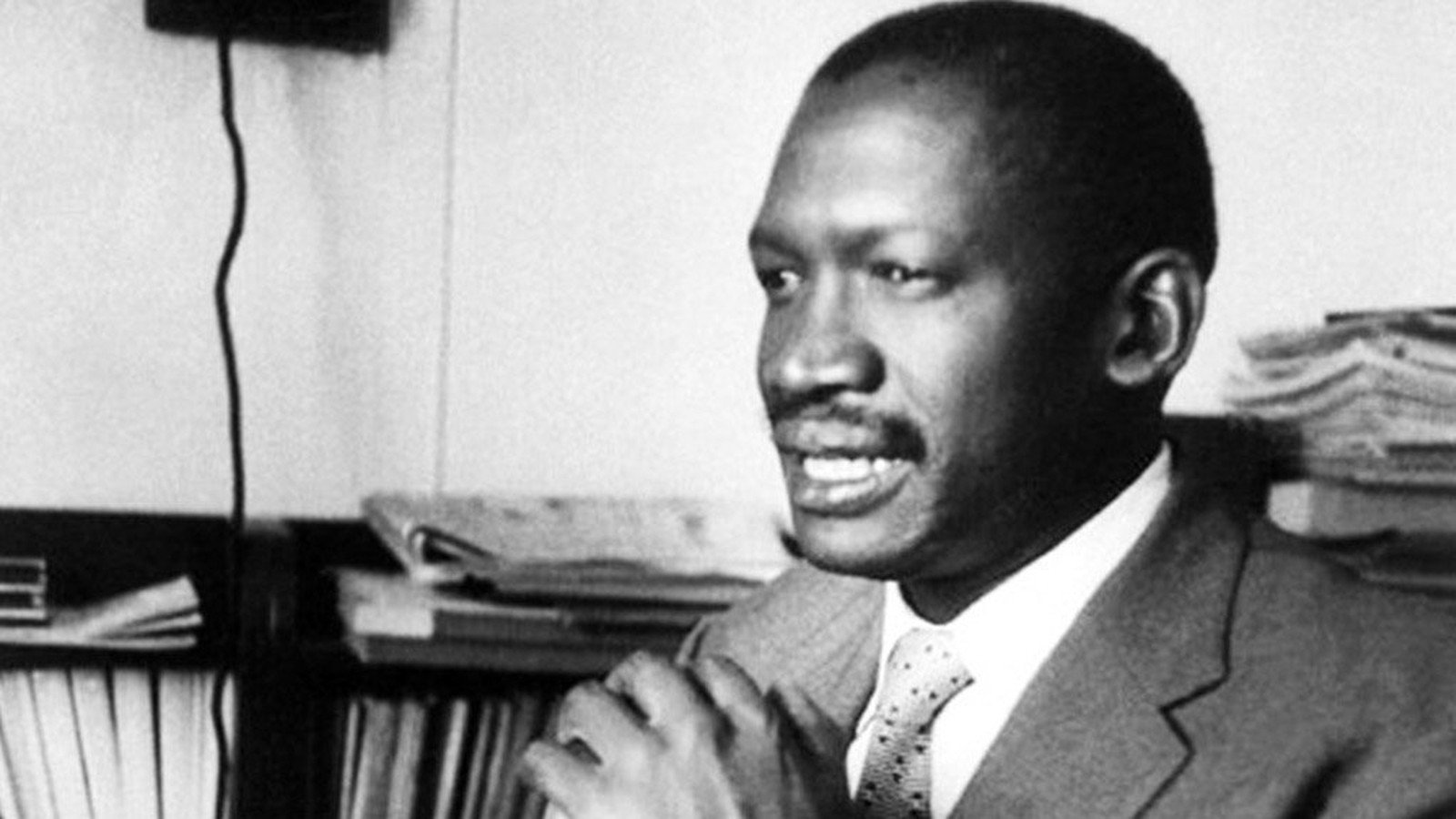
The Builder, the Doctor and the Prof — Motsuenyane, Motlana and Sobukwe, and the one struggle fought on three fronts.
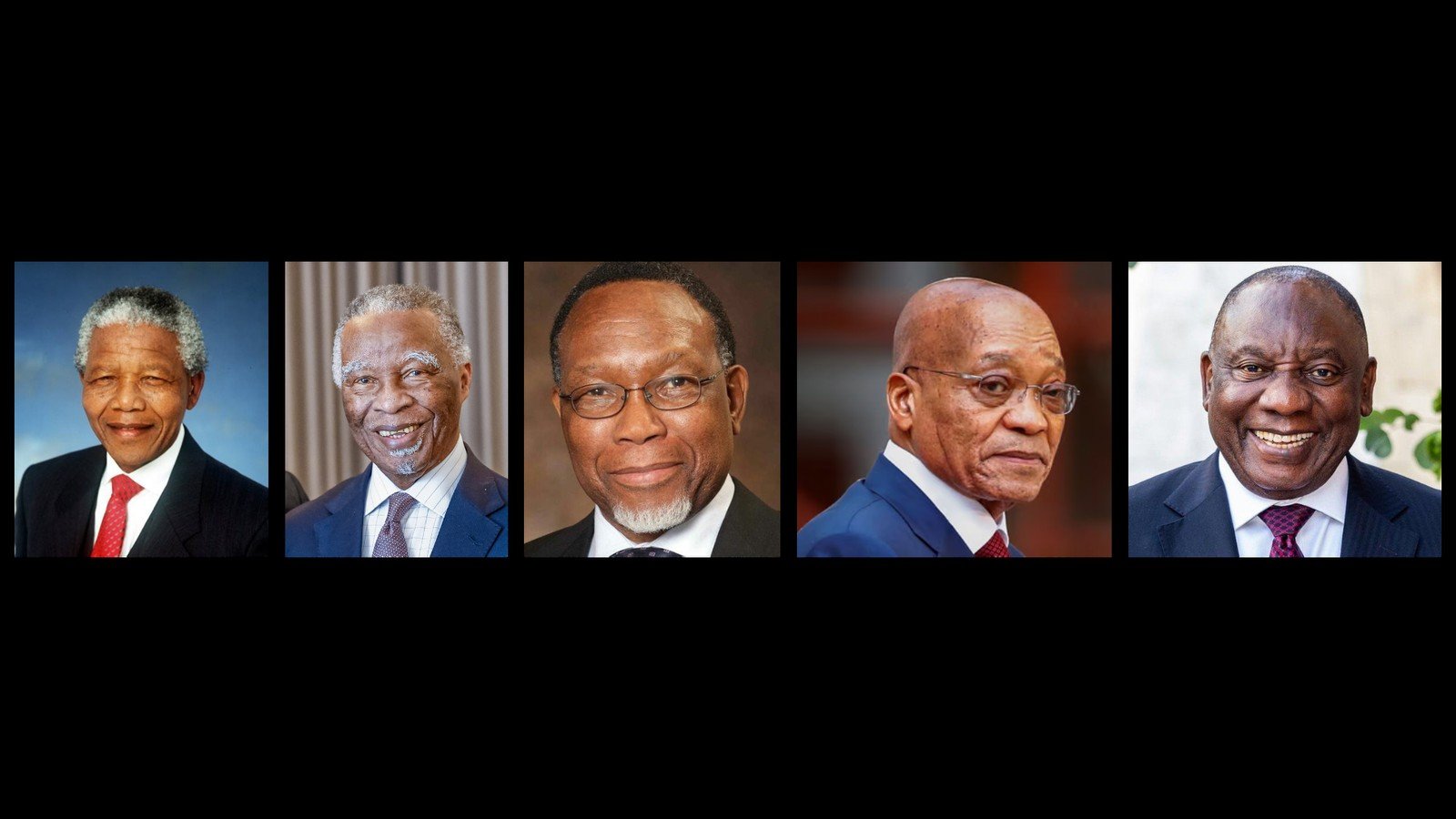
Mandela to Ramaphosa — five records read for the lesson the next president must synthesise.
Davos 2026, and why Africa's strength is collective relevance — a negotiating caucus, not a collection of margins.
Across 114 years the youth did the practical work of survival — and youth economic agency must now build the renewal.
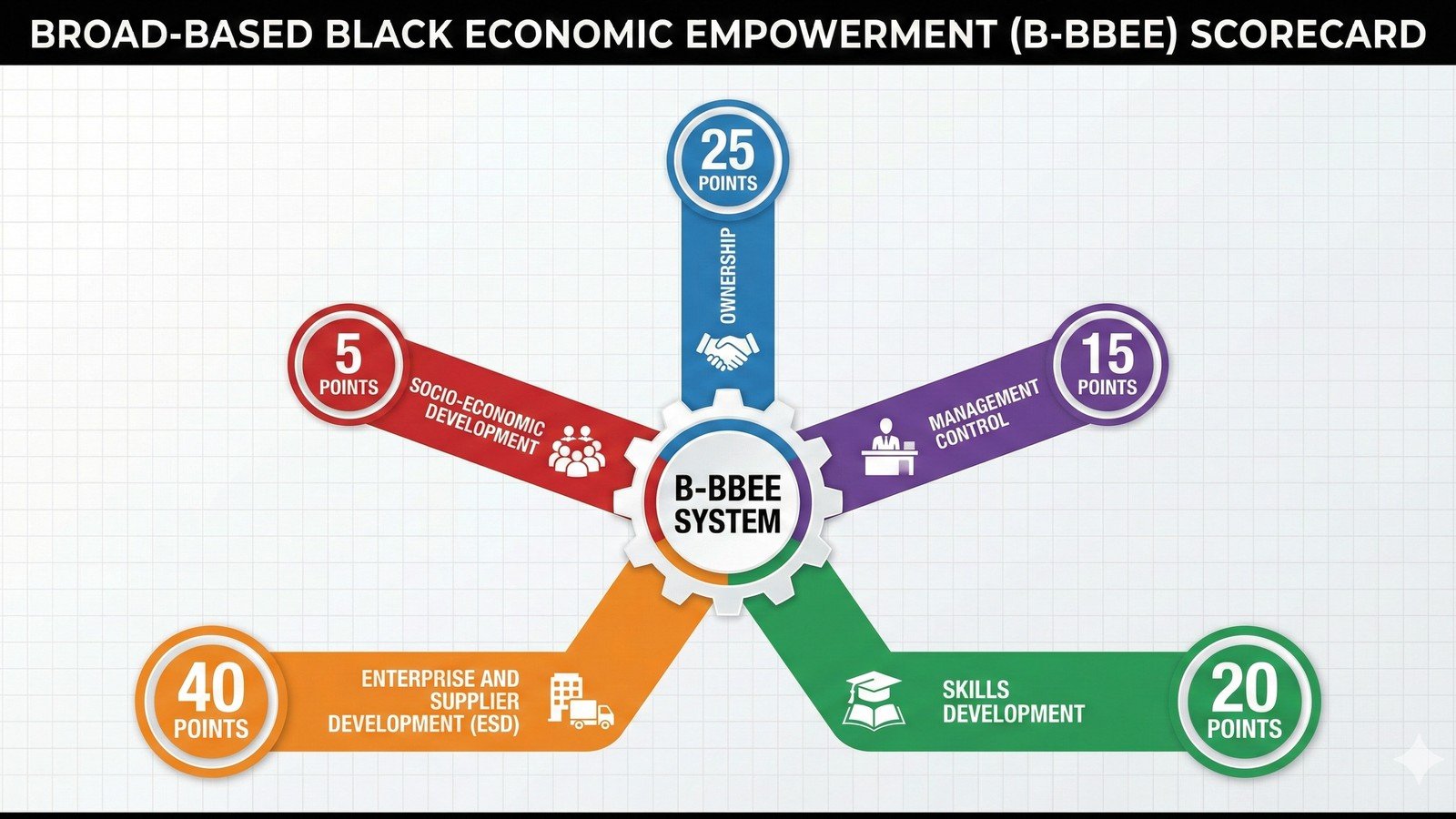
The scorecard facts, the history of state-engineered Afrikaner upliftment, and the case for reform over repeal.
Nyerere the Teacher, Machel the Commander, Tambo the Diplomat — and the design manual their lives leave behind.
Remembering Nyambose — friend, comrade, historian and public servant, across decades of struggle and laughter.
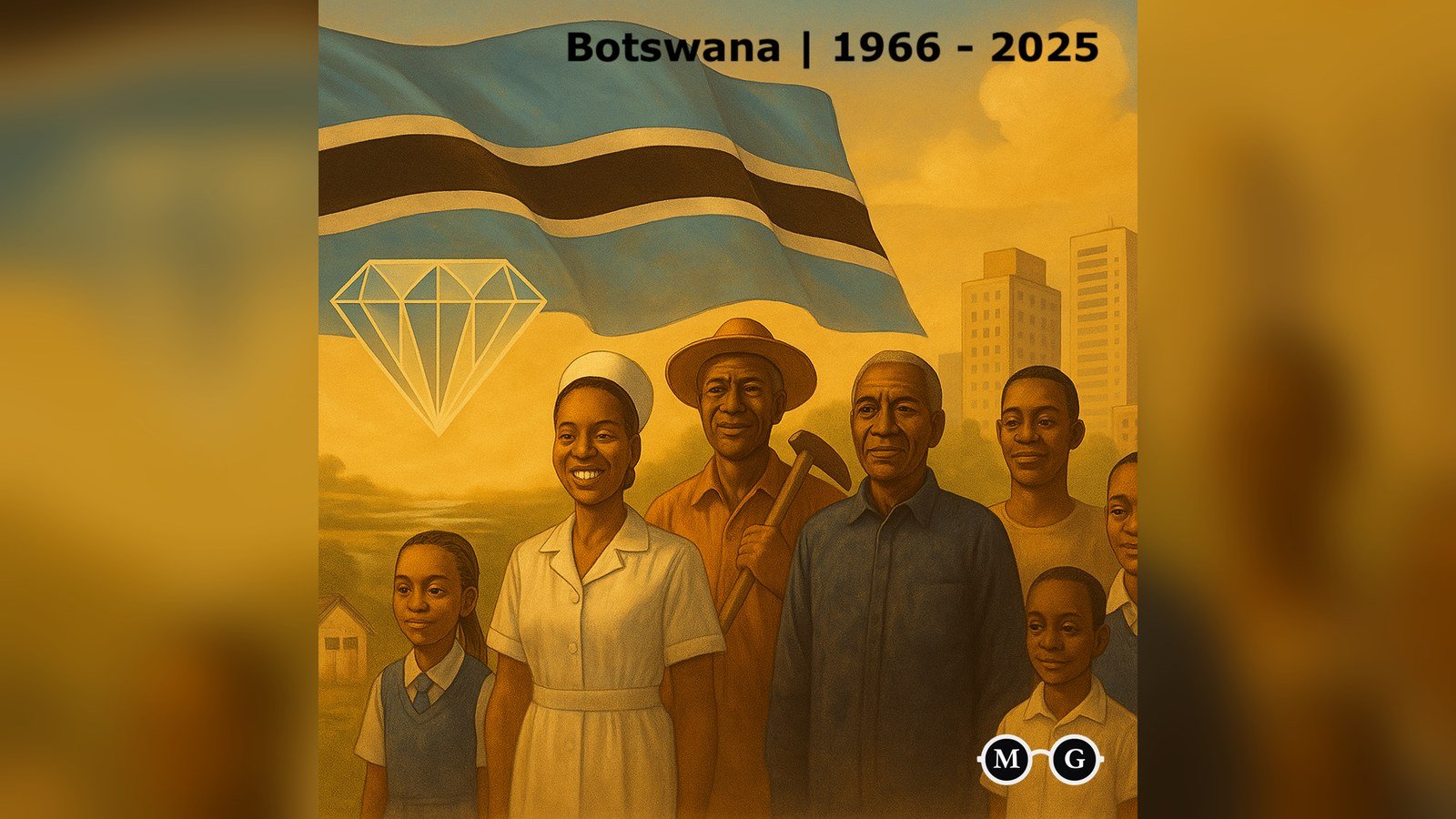
How Botswana turned diamonds into development — and the lessons South Africa keeps seeking abroad that wait just across the Limpopo.
The road to independence, the dream of a united Africa, and why 'authoritarian' so often served external interests.
Defending the inheritance of democracy, or letting the heritage of separatism resurface in new clothes?
South Africa's long game to 2063 — a phased plan built on functioning institutions and delivery citizens can see.
Why the Fourth Industrial Revolution still matters in the age of AI — and why Africa must shape its own digital future.